

Oral surgery can feel overwhelming, but knowing what to expect makes the experience much easier to handle. Many people put off needed procedures because they don’t know how to prepare or what steps to take before and after surgery.
Proper preparation for oral surgery can reduce your anxiety, help you recover faster, and prevent complications that could slow down your healing.
Getting ready for oral surgery involves more than just showing up on the day of your procedure. You need to understand fasting rules, arrange transportation, stock your kitchen with soft foods, and set up a comfortable recovery space at home.
Each of these steps plays an important role in making sure your surgery goes smoothly and your recovery stays on track.
This guide walks you through everything you need to know when preparing for oral surgery, from your first consultation to the first few days after you get home.
You’ll learn how to prepare for oral surgery, exactly what to do before your procedure, what to bring on surgery day, and how to take care of yourself afterward.
Key Takeaways
- Start preparing at least one week before your oral surgery by filling prescriptions and stocking up on soft foods
- Follow all fasting guidelines carefully to avoid serious complications during anesthesia
- Arrange for someone to drive you home and stay with you for at least 24 hours after your procedure
Understanding Your Oral Surgery Procedure
Knowing what type of oral surgery you need and why preparation matters helps reduce anxiety and sets you up for the best possible outcome.
Different procedures require different levels of preparation, but all benefit from understanding what to expect.
Common Types: Wisdom Tooth Extraction, Dental Implants, and More
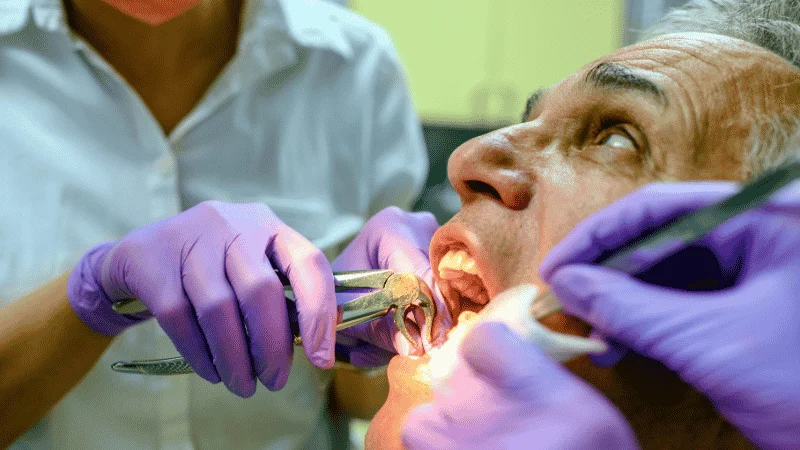
Wisdom tooth extraction is one of the most common oral surgery procedures. This involves removing one or more wisdom teeth that are impacted, causing pain, or crowding other teeth.
Dental implants replace missing teeth with artificial roots that support crowns or bridges. This procedure typically requires multiple visits over several months.
Other common oral surgeries include:
- Corrective jaw surgery to fix bite problems or jaw alignment issues
- Bone grafting to rebuild or strengthen your jawbone
- Removal of oral pathology like cysts or tumors
- Tooth extractions beyond wisdom teeth when teeth are damaged or infected
- Cleft lip and palate repair to correct birth defects
Each procedure has its own timeline and requirements. Your surgeon will explain exactly what your specific surgery involves during your consultation.
Why Proper Preparation Matters
Proper preparation for oral surgery directly affects your comfort level and recovery speed. When you follow pre-surgery instructions, you reduce the risk of complications during the procedure.
Fasting before surgery prevents aspiration, a serious complication where food or liquid enters your lungs while under anesthesia.
Arranging medications ahead of time means you won’t have to make a pharmacy trip when you’re in pain.
Setting up your recovery space before surgery lets you rest immediately instead of scrambling for supplies. Having soft foods ready means you can eat properly during healing.
Being prepared also reduces your stress and anxiety. When you know what to expect and have everything ready, you can focus on healing instead of worrying about logistics.
Not sure what to do before and after surgery. Talk to a dental expert now and prepare the right way.
Essential Pre-Surgery Planning
Your oral surgeon will provide specific instructions tailored to your procedure, and following these guidelines carefully helps reduce risks and supports a smoother recovery.
Planning ahead for medication changes and arranging reliable transportation are critical steps that directly impact your safety on surgery day.
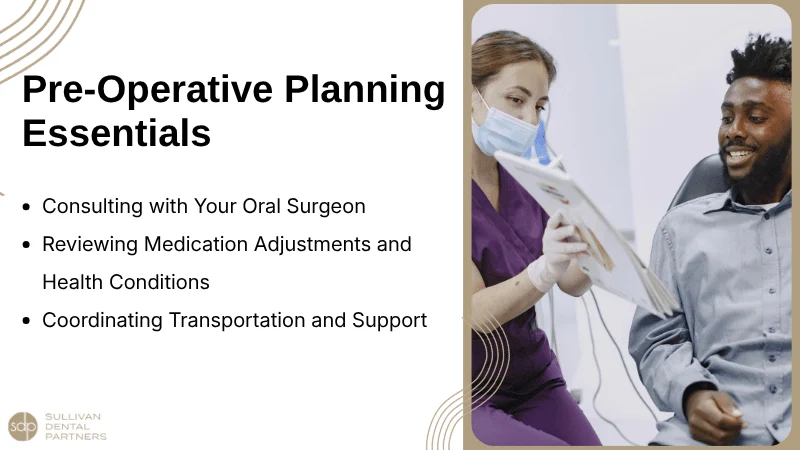
Consulting with Your Oral Surgeon
Your first appointment with your oral surgeon sets the foundation for everything that follows.
During this pre-surgery consultation, your surgeon will review your complete medical and dental history to identify any potential concerns.
This is your chance to ask questions about what will happen during the procedure. Your surgeon will explain the expected outcomes and discuss any risks specific to your situation.
They’ll also provide detailed instructions for both before and after your oral surgery.
Come prepared with a list of questions about recovery time, pain management, and activity restrictions. Understanding what to expect helps reduce anxiety and builds confidence in your surgical team.
Don’t hesitate to ask for clarification on anything that seems unclear.
Reviewing Medication Adjustments and Health Conditions
You’ll need to inform your oral surgeon about every medication you currently take, including over-the-counter drugs and supplements.
Some medications, particularly blood thinners, may need to be stopped or adjusted several days before your procedure to prevent excessive bleeding.
Your surgeon will give you specific fasting guidelines if you’re receiving sedation or general anesthesia. This typically means no food or drinks for 6-8 hours before surgery.
Important items to discuss:
- All prescription medications
- Vitamins and herbal supplements
- Blood pressure medications
- Diabetes medications
- Blood thinners or aspirin
Contact your surgeon immediately if you develop any illness or fever in the days leading up to your procedure. Even a minor cold can affect anesthesia safety and may require rescheduling.
Coordinating Transportation and Support
You cannot drive yourself home after oral surgery if you receive any form of sedation or anesthesia. Arrange for a trusted friend or family member to drive you to and from the surgical center before your appointment date.
Your driver should plan to stay at the facility during your procedure. They’ll need to be available to hear post-operative instructions from your surgical team.
Having someone stay with you for the first 24 hours after surgery is also recommended, especially if you live alone.
Make sure your support person knows they’ll be responsible for helping you follow care instructions. They can assist with medication schedules, applying ice packs, and monitoring for any complications during your initial recovery period.
Fasting Guidelines and Eating Restrictions
Most oral surgeries require you to fast before your procedure to prevent complications during anesthesia. The timing of your surgery and type of sedation will determine exactly when you need to stop eating and drinking.
Fasting Requirements for Anesthesia and Sedation
Your stomach needs to be empty during oral surgery to reduce the risk of nausea and vomiting while under sedation. When you’re sedated, your body’s normal protective reflexes don’t work properly.
This means if you vomit, food or liquid could enter your lungs and cause serious breathing problems.
Most oral surgeons follow standard fasting rules. You should not eat solid foods for at least 6-8 hours before your surgery. This gives your stomach enough time to empty completely.
The type of anesthesia affects your fasting requirements. Local anesthesia alone usually doesn’t require fasting. However, if you’re getting IV sedation or general anesthesia, strict fasting is required.
Your surgeon will give you specific instructions based on your procedure. Always follow these guidelines exactly as provided.
Can I Eat Before Oral Surgery?
Surgery scheduled in the morning typically requires you to stop eating at midnight the night before. You should not eat or drink anything after midnight until your procedure is complete.
For afternoon procedures after 2 PM, you might be allowed a light breakfast. This usually means toast, crackers, or clear liquids consumed at least 6-8 hours before surgery.
Avoid these foods in the 24 hours before surgery:
- Heavy, greasy, or fried foods
- Dairy products
- Red meat
- Foods high in fat or fiber
The night before your surgery, stick to bland, easy-to-digest foods if you’re eating dinner. Good options include plain rice, chicken broth, or crackers.
Clarifying Drinking Rules and Clear Liquids
Water and clear liquids have different rules than solid foods. You can usually drink clear liquids up to 2-3 hours before your surgery appointment.
Clear liquids include water, apple juice, black coffee (no cream), and tea without milk. These liquids leave your stomach faster than solid foods or thick drinks.
Do not drink:
- Milk or anything with cream
- Orange juice or juices with pulp
- Smoothies or protein shakes
- Alcohol
Stop drinking all liquids at least 2 hours before your scheduled surgery time. Even water needs to be restricted during this final period.
Some surgeons may require you to stop drinking earlier, so check your pre-operative instructions carefully.
If you need to take medication the morning of surgery, you can swallow pills with a small sip of water. Ask your surgeon beforehand if this is allowed.
Oral Hygiene and Home Preparation
Good dental care before your procedure and a well-prepared recovery area can make a big difference in how smoothly your surgery goes.
Stocking up on the right supplies and planning soft meals ahead of time means you won’t have to worry about these details when you’re healing.
Oral Hygiene Before Surgery
Keeping your mouth clean before your procedure helps reduce the risk of infection. Brush and floss your teeth thoroughly the night before and the morning of your surgery.
If your dentist recommends it, you might need to use an antibacterial mouthwash in the days leading up to your appointment.
Practicing better oral hygiene habits is one of the key steps in oral surgery preparation. Make sure to clean around the area where you’ll have surgery, but be gentle if the spot is sensitive or painful.
If you take antibiotics before surgery, follow the directions exactly as your doctor tells you. These medicines help prevent infections at the surgical site.
Setting Up a Recovery Space
Create a comfortable spot in your home where you can rest after surgery. Pick a quiet room with easy access to a bathroom. Set up pillows so you can keep your head elevated, which helps reduce swelling.
Place these items within arm’s reach: your phone, charger, remote control, medications, water, and tissues. Keep extra pillows nearby so you can adjust your position without getting up.
Put a small trash can next to your recovery area for used gauze and tissues.
Make sure the room has good lighting but can also be darkened if you want to sleep. Keep the temperature comfortable since you’ll be spending several hours or days in this space.
Post-Surgery Supplies and Meal Planning
Stock up on supplies before your surgery day so you don’t need to make store trips while recovering. Buy extra gauze pads, ice packs, and any prescribed medications.
Get a soft toothbrush and alcohol-free mouthwash for gentle cleaning.
Essential supplies to have ready:
- Gauze pads
- Ice packs or frozen vegetables
- Pain medication (as prescribed)
- Soft toothbrush
- Salt for saltwater rinses
- Lip balm
Plan your meals around soft foods that don’t require chewing. Good options include yogurt, applesauce, smoothies, mashed potatoes, soup, pudding, and ice cream.
Prepare or buy these foods ahead of time and store them in easy-to-reach spots in your fridge. Avoid hot foods right after surgery and stick to room temperature or cool items for the first day or two.
Day of Surgery: Final Steps for Success
On surgery day, wear loose and comfortable clothes and plan to arrive 15 to 20 minutes early. Keeping calm and following your pre-surgery instructions will help everything go smoothly.
Dressing Comfortably and What to Bring
Choose loose-fitting, comfortable clothing for your oral surgery appointment. Short sleeves or a shirt with sleeves that roll up easily work best, as this gives your medical team access to your arm if needed.
Avoid wearing jewelry, makeup, nail polish, or contact lenses. Remove dentures before arriving at the surgical center. These items can interfere with monitoring equipment or the procedure itself.
Essential items to bring:
- Photo ID
- Insurance card and any required paperwork
- List of current medications
- Emergency contact information
If you’re receiving sedation, arrange for a trusted adult to drive you home. You won’t be able to operate a vehicle for at least 24 hours after your procedure.
Plan to arrive early so you have time to complete any final paperwork without feeling rushed.
Reducing Anxiety and Mental Preparation
Feeling nervous about oral surgery is normal. Taking simple steps can help you stay calm and focused while preparing for surgery.
Practice deep breathing exercises the morning of your appointment. Inhale slowly through your nose, hold for four counts, and exhale through your mouth.
This helps lower your heart rate and reduces stress.
Remind yourself that oral surgery is routine for your surgical team. They perform these procedures regularly and have extensive training. Trust in their expertise and the surgery preparation you’ve completed.
Avoid caffeine before your appointment, as it can increase anxiety and interfere with sedation medications.
Instead, focus on staying hydrated up until your fasting period begins. Bring headphones and calming music if it helps you relax in the waiting room.
Post-Surgery Care and Recovery Essentials
Managing pain effectively, maintaining proper oral hygiene, and following dietary restrictions are critical steps that determine how quickly and smoothly you’ll heal after your procedure.
Your surgeon will provide specific instructions, but understanding these core recovery elements helps you prepare and know what to expect.

Pain Management and Medication
You’ll likely experience mild to moderate pain for a few days after your oral surgery. Over-the-counter medications like acetaminophen (Tylenol) and ibuprofen (Advil or Motrin) typically provide effective relief.
Your healthcare provider will tell you the right dose before you leave.
You can take these two medications together for better pain control. This combination often works better than taking just one type.
If over-the-counter options don’t manage your discomfort, your surgeon may prescribe stronger pain medication.
Take your pain medication on a regular schedule for the first two to three days rather than waiting until the pain becomes severe. This approach keeps you more comfortable throughout the day.
A low-grade fever of 101°F or less is normal after surgery and responds well to acetaminophen. Call your doctor if the fever lasts more than two days or rises above 102°F.
Some patients receive antibiotics to prevent infection, which you should start the day after your procedure if prescribed.
Oral Hygiene During Recovery
Keeping your mouth clean after oral surgery prevents infection while protecting the surgical site. You’ll need to modify your normal brushing and flossing routine temporarily.
Avoid brushing directly on or near the incision for the first few days.
Gentle rinsing with warm salt water helps keep the area clean without disturbing the healing tissue. Start these rinses 24 hours after surgery, using about half a teaspoon of salt in a cup of warm water.
Swish gently rather than vigorously to avoid dislodging the blood clot.
Watch for signs of dry socket, which happens when the blood clot falls out of the surgical site. This condition causes increased pain but isn’t harmful. Your surgeon can treat it by placing a special dressing.
Contact your doctor if you notice a foul taste, bad odor, or worsening pain after initially feeling better.
White or yellow discharge, new swelling that appears fluid-filled, or swollen glands can signal an infection requiring prompt medical attention.
Soft Food Recommendations and Activity Guidelines
Your diet needs to change temporarily to protect the surgical area and promote healing. Focus on liquids and soft foods that require minimal chewing:
- Smoothies and protein shakes
- Mashed potatoes
- Applesauce
- Yogurt
- Pudding
- Soup (lukewarm, not hot)
Avoid spicy, acidic, hard, or crunchy foods that can irritate the incision or get stuck in the surgical site. These restrictions typically last one to two weeks depending on your procedure.
Rest is essential for recovery. Plan to stay home for several days after surgery and avoid strenuous physical activity for seven to ten days. This includes going to the gym, swimming, and lifting heavy objects.
Light activities are fine when you feel ready, but don’t push yourself too hard. If you had sedation or general anesthesia, avoid driving and operating equipment on the day of surgery.
You can return to work when you’re comfortable and no longer taking prescription pain medication that might impair your judgment.
Frequently Asked Questions
Getting ready for oral surgery involves understanding key details about fasting, medications, transportation, and what to have on hand at home.
These common questions cover the practical steps you need to take before and after your procedure.
What should I do in the days leading up to my oral surgery appointment?
Schedule time with your oral surgeon to understand the reasons for your procedure and learn about the risks and benefits. Bring a list of questions to your consultation so you feel informed and prepared.
In the week before surgery, focus on good oral hygiene by brushing and flossing regularly. This helps reduce bacteria in your mouth and lowers your risk of infection at the surgical site.
Avoid drinking alcohol for at least 48 hours before your procedure. Alcohol can interfere with anesthesia and slow down your healing process.
Which medications and supplements should I stop or continue before surgery?
Tell your oral surgeon about all medications and supplements you currently take. Some blood thinners and anti-inflammatory drugs may need to be stopped several days before surgery to reduce bleeding risks.
Your doctor will tell you which medications to continue taking. If you need to take essential medication on the day of surgery, you can have a small sip of water with it.
Never stop taking prescription medications without talking to your doctor first. They will give you specific instructions about which medicines are safe to continue.
How long do I need to fast before anesthesia or sedation, and what can I drink?
If you’re going to be sedated, don’t eat or drink anything, including water, after midnight of the evening before your surgery. This fasting period reduces your risk of aspiration, which is when stomach contents enter your lungs during anesthesia.
The fasting rule applies to all food and beverages, including coffee, juice, and gum. Only take essential medications with a small sip of water if your doctor approves it.
If you’re only receiving local anesthesia without sedation, your surgeon may allow you to eat a light meal beforehand. Always confirm the fasting requirements at your pre-surgery consultation.
What should I arrange for transportation and at-home help after the procedure?
You’ll need someone to drive you home if you’re getting sedation, including nitrous oxide. Anesthesia impairs your judgment and makes it unsafe to operate a car.
Ask a friend or family member to give you a ride and stay with you for the first 24 hours after surgery. If you’re administered nitrous oxide and nobody you know can drive you, you can take a cab, uber, or use public transportation.
Plan for someone to help you at home during the first day or two of recovery. You may feel drowsy, need help with medications, or require assistance with basic tasks while you rest.
What items should I bring to my appointment, and what should I wear?
Wear short sleeves if you’re going to have sedation for your procedure. This makes it easier for nurses to take your vital signs, give you an IV, or put blood pressure cuffs on your arms.
Bring a container to store dentures, partial plates, or removable bridgework during the procedure. Leave jewelry and valuables at home.
Arrive at least 20 minutes early to complete any last-minute paperwork. This also gives you time to relax before your surgery begins.
What foods and supplies should I have ready at home for a smooth recovery?
Stock your kitchen with soft foods like yogurt, applesauce, smoothies, mashed potatoes, and soup. These are easier to eat while your mouth heals and won’t irritate the surgical site.
Buy ice packs or frozen peas to help reduce swelling during the first few days. Have extra pillows on hand so you can keep your head elevated while sleeping.
Fill any prescriptions for pain medication and antibiotics before your surgery day. Keep gauze pads, saltwater rinse ingredients, and any other supplies your surgeon recommends within easy reach.