
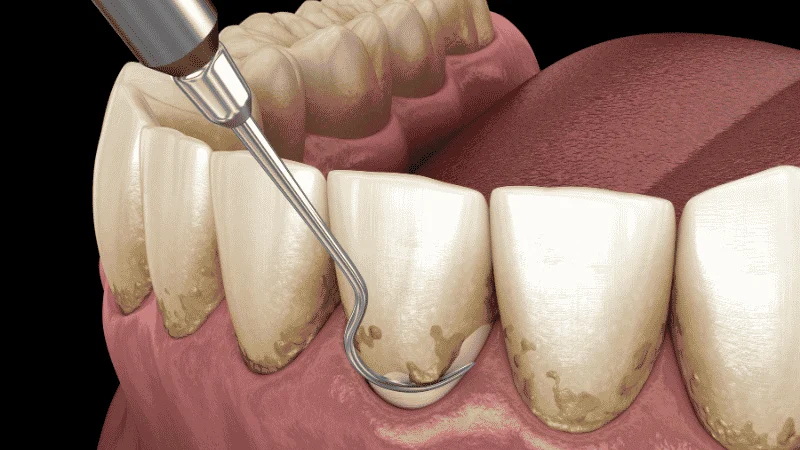
If your gums bleed or feel sore, you may wonder which treatment will work best. Dentists often suggest scaling and root planing or laser gum therapy to treat gum disease and stop it from getting worse.
Both aim to remove bacteria below the gum line and help your gums heal.
Both scaling and root planing and laser gum therapy improve gum health, and current studies show they offer similar results for many people.
A clinical study comparing the two found that each method reduced gum pocket depth and improved attachment levels after treatment.
You can review the details in this research on the efficacy of laser-assisted periodontal therapy vs conventional scaling.
The right choice depends on your gum condition, comfort level, and your dentist’s advice. When you understand how each treatment works and what to expect, you can feel more confident about protecting your smile.
Key Takeaways
- Both treatments reduce gum pocket depth and improve gum attachment.
- Your specific gum condition and comfort level help guide the best choice.
- Early treatment helps protect your teeth and prevent further damage.
Schedule your gum disease consultation in Nashville, TN today for personalized care.
Understanding Gum Disease and Its Impact
Gum disease affects the tissues and bone that hold your teeth in place. When you understand how it starts and progresses, you can spot problems early and protect your oral health.
Stages and Signs of Gum Disease
Gum disease, also called periodontal disease, develops in stages. It often begins with gingivitis, which is mild but still serious.
At this stage, you may notice:
- Red or swollen gums
- Bleeding when you brush or floss
- Tender gum tissue
- Bad breath that does not go away
Gingivitis does not damage bone yet. With proper care, you can reverse it.
If you ignore it, the condition can progress to periodontitis. This stage affects the bone that supports your teeth. Your gums may pull away, teeth can feel loose, and chewing may hurt. Bone loss at this stage cannot grow back on its own.
Early action makes a big difference. The sooner you treat gum inflammation, the easier it is to control.
Causes: Plaque, Tartar, and Bacterial Biofilm
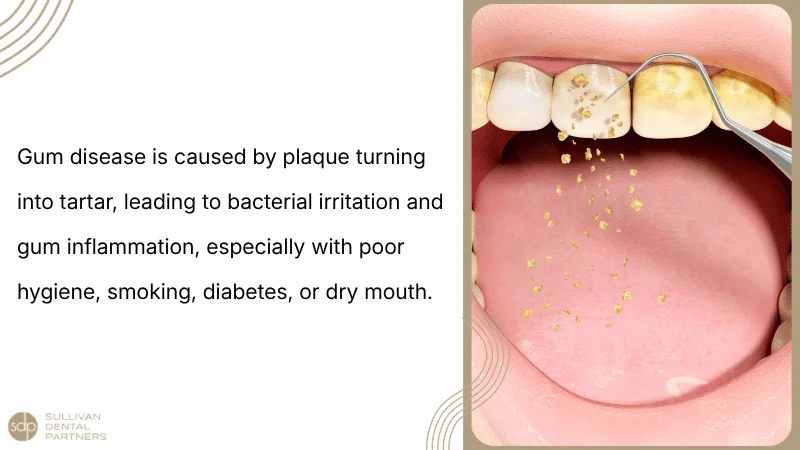
Gum disease starts with dental plaque. Plaque is a sticky film made of bacteria, food particles, and saliva. It forms on your teeth every day.
If you do not remove plaque with brushing and flossing, it hardens into tartar. Tartar sticks tightly to your teeth and below your gum line. You cannot remove it at home. A dental professional must clean it away.
Plaque and tartar contain a bacterial biofilm. This biofilm releases toxins that irritate your gums. Your body reacts with inflammation, which leads to swelling and bleeding.
The key causes include:
- Poor daily oral hygiene
- Smoking
- Uncontrolled diabetes
- Dry mouth
When plaque stays on your teeth for long periods, your risk of periodontal disease increases.
Periodontal Pockets and Gum Inflammation
Healthy gums fit closely around your teeth. In gum disease, inflammation causes the gum tissue to pull away.
This creates small spaces called periodontal pockets. Bacteria collect inside these pockets, where your toothbrush cannot reach.
As the pockets deepen, more bacteria grow. This leads to:
- Ongoing gum inflammation
- Bone loss
- Tooth mobility
Dentists measure pocket depth in millimeters. Deeper pockets usually mean more advanced periodontal disease.
When you treat the infection early, you can reduce pocket depth and limit further damage. If left untreated, these pockets can lead to tooth loss and serious problems with your oral health.
Visit our Nashville, TN dental office to explore laser and deep cleaning options.
What Is Scaling and Root Planing?
Scaling and root planing is a non-surgical treatment that targets gum disease below the gumline. It removes harmful buildup and smooths tooth roots so your gums can heal and reattach.
Procedure Overview and Indications
You may need scaling and root planing if you have signs of gum disease, such as bleeding gums, swelling, or deep pockets around your teeth.
When plaque hardens into calculus (tartar) below the gumline, regular professional cleanings cannot reach it.
Dentists often use this treatment as the first step in periodontal therapy.
According to the American Dental Association’s guide on scaling and root planing for gum disease, it is a deep cleaning below the gumline used to treat active gum infection.
Your dentist or dental hygienist measures the space between your teeth and gums. If the pockets are too deep for routine care, you will likely need this form of periodontal care.
How Scaling and Root Planing Work
Scaling and root planing has two main parts: scaling and root planing.
During scaling, your provider removes plaque, bacteria, and hardened calculus from above and below the gumline. They clean down to the bottom of each gum pocket.
This step often involves careful debridement with hand tools or ultrasonic devices.
Next comes root planing. Your provider smooths the tooth roots so bacteria have fewer places to attach. Smoother roots help your gums reattach to the teeth and reduce pocket depth.
Tooth scaling and root planing removes tartar and bacteria around the roots and helps manage mild to moderate gum disease.
You may receive a local anesthetic to numb the area. Many offices complete the deep cleaning in sections over two visits to keep you comfortable.
Benefits for Gum Health
This treatment directly targets the cause of gum disease: bacteria trapped under the gums.
By removing calculus and infected tissue, scaling and root planing reduce inflammation. Your gums can tighten around your teeth again. Pocket depth often decreases as the tissue heals.
You may notice less bleeding when you brush. Swelling can also improve within a few weeks.
Early treatment matters. Dentists often use periodontal scaling and root planing as the first steps in gum disease treatment. Acting early lowers your risk of bone loss and tooth loss.
Scaling and root planing also make your daily brushing and flossing more effective. Clean, smooth roots give bacteria fewer places to grow.
Common Concerns and Patient Experience
You might worry about pain. Most patients tolerate the procedure well, especially with a local anesthetic.
After treatment, you may feel mild soreness for a day or two. Your teeth may feel sensitive to cold for up to a week. Gums can feel tender as they heal.
Your dentist may suggest a special mouth rinse or medication to control bacteria. Good home care becomes even more important after traditional scaling.
Brush twice a day with a soft brush. Clean between your teeth daily. Keep your follow-up visits so your dental hygienist can check pocket depth and track healing.
When you stay consistent with periodontal care, scaling and root planing can help you control gum disease without surgery.
Book your gum health consultation today and stop gum disease early.
What Is Laser Gum Therapy?
Laser gum therapy uses focused light energy to remove infected gum tissue and bacteria from around your teeth. Dentists use it as a form of periodontal treatment to clean deep pockets and support healing without traditional gum surgery.
Technology and Treatment Approach
Laser gum therapy relies on a dental laser that targets inflamed gum tissue and harmful bacteria. The laser energy reaches below your gumline, where regular brushing and even routine cleanings cannot reach.
During the procedure, your dentist places a thin laser tip into the gum pocket. The laser removes diseased tissue and helps disinfect the area. After that, the dentist may smooth the root surface, similar to deep gum cleaning.
Unlike traditional gum surgery, this laser treatment does not require cutting the gums with a scalpel. It often causes less bleeding because the laser helps seal small blood vessels as it works.
Some dentists use this method as part of laser-assisted periodontal therapy compared with conventional scaling and root planing. Both approaches aim to reduce pocket depth and improve attachment between your gums and teeth.
Benefits and Precision of Lasers
Laser therapy allows your dentist to focus on infected areas while leaving more healthy tissue in place. This precision can help protect your gums and may support tissue regeneration.
You may notice:
- Less bleeding during treatment
- Reduced swelling
- Shorter healing time compared to traditional gum surgery
The laser also helps lower bacteria levels inside deep pockets. That step supports healing and may improve how your gums reattach to your teeth.
Some patients prefer laser gum therapy because it often feels less invasive. In many cases, your dentist can complete the treatment with local anesthesia, and recovery may feel easier than with flap surgery.
However, results depend on your specific gum condition, home care, and follow-up visits.
Suitability for Different Cases
Laser gum therapy works best for certain stages of gum disease. If you have moderate to advanced periodontitis, your dentist may suggest it as an alternative to traditional deep cleaning or surgery.
Some dental offices explain that deep cleaning is common for early-stage disease, while laser treatment may help in more advanced cases.
If your gum pockets are deep and you have ongoing inflammation, laser therapy may help reduce pocket depth and support healing. But if you have severe bone loss or loose teeth, you may still need other periodontal treatment.
Your dentist will check your pocket measurements, bone levels, and overall health before recommending laser treatment.
Comparing Effectiveness: Scaling and Root Planing Versus Laser Gum Therapy
Both treatments aim to lower pocket depth, improve clinical attachment level (CAL), and reduce bleeding and swelling.
The main differences show up in measured treatment outcomes, healing time, and how well your gums stay healthy over the long term.
Clinical Outcomes: Pocket Depth and Attachment Level
Dentists measure success by checking pocket depth and clinical attachment level (CAL). Lower numbers mean healthier gums and better support around your teeth.
In a clinical study comparing laser-assisted therapy and traditional SRP, the laser group showed a 2.5 mm drop in pocket depth at six months, while the SRP group showed a 2.2 mm drop.
The laser group also had slightly greater CAL improvement.
Both treatments improved bleeding gums and reduced inflammation. SRP remains the standard first step because it directly removes plaque and tartar from root surfaces. Laser therapy may add extra bacterial reduction in deeper pockets.
Your results depend on how advanced your gum disease is and how well you follow post-treatment care at home.
Patient Comfort and Healing Time
You may notice differences in comfort during and after treatment. SRP uses hand or ultrasonic tools to clean below the gum line. Laser therapy uses focused light energy to target infected tissue.
Some dental offices describe laser therapy as less invasive, with less bleeding and swelling during the visit.
Healing time varies. With SRP, your gums may feel sore for a few days. You might also notice mild bleeding.
Laser treatment may cause less immediate discomfort for some patients, but you still need time for your gums to reattach and tighten around your teeth.
Good post-treatment care, such as gentle brushing and avoiding hard foods, plays a big role in how fast you recover.
Recurrence and Long-Term Oral Health
Long-term oral health depends more on maintenance than on the tool used. Both SRP and laser therapy can control infection if you keep up with cleanings and daily care.
SRP has decades of research supporting its role in stabilizing gum disease. Laser therapy shows promising treatment outcomes, especially when used along with deep cleaning, but it does not replace regular hygiene visits.
If you stop brushing and flossing, pockets can deepen again. Bleeding gums may return, and CAL can worsen.
To protect healthy gums, you need consistent post-treatment care. That includes routine dental visits, daily plaque control, and managing risk factors like smoking or uncontrolled diabetes.
Other Considerations in Gum Disease Treatment
You need to look beyond effectiveness when choosing between treatments for gum disease. Safety, comfort, daily habits, and follow-up care all shape your long-term results.
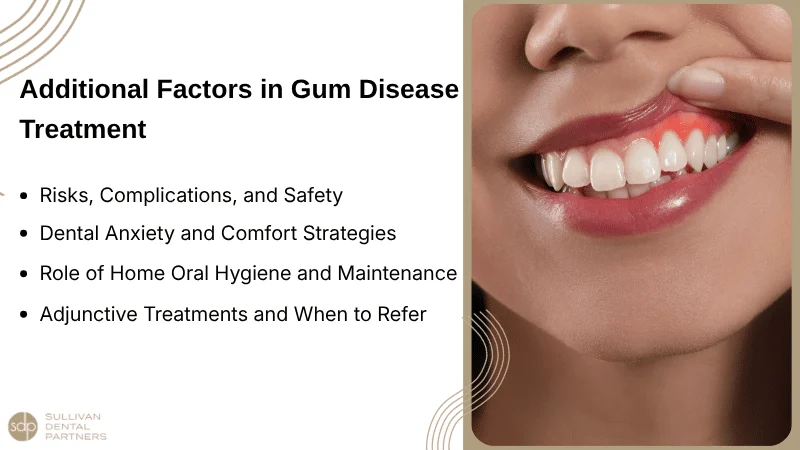
Risks, Complications, and Safety
Both treatments for gum disease have risks, but most are mild and short term. After scaling and root planing, you may notice gum soreness, slight bleeding, or tooth sensitivity for a few days. Your dentist often uses local anesthesia to control pain during the procedure.
Laser therapy also carries risks. You may feel temporary swelling or sensitivity. When a trained provider performs the procedure, serious problems are rare.
Root planing smooths the tooth roots so bacteria have a harder time sticking.
If gum disease has already damaged the bone, no cleaning method can rebuild it fully. In severe cases, you may need surgery or even tooth replacement with dental implants.
Dental Anxiety and Comfort Strategies
Dental anxiety is common, especially when you hear terms like “deep cleaning” or “laser.” You might worry about pain, noise, or how long the visit will take.
Scaling and root planing usually requires numbing shots. This prevents pain, but you may still feel pressure. Laser gum therapy often causes less bleeding and may feel less invasive.
If fear keeps you from getting care, ask about sedation dentistry. Options may include:
- Nitrous oxide (laughing gas)
- Oral medication before your visit
- IV sedation in some offices
These methods improve patient comfort and help you stay calm. When you delay care due to anxiety, gum disease can worsen and lead to tooth loss or the need for dental implants.
Role of Home Oral Hygiene and Maintenance
No treatment will last if you ignore daily oral hygiene. Gum disease starts when plaque stays on your teeth and below your gumline.
You must brush twice a day and floss once a day. Use a soft toothbrush and clean gently along the gumline. An antibacterial mouthwash can lower the number of bacteria that cause infection and bad breath.
Regular checkups matter just as much. Many dentists suggest cleanings every 3–4 months after deep treatment. Patients who follow consistent care plans often maintain stable gum health.
Without maintenance, gum pockets can deepen again.
Adjunctive Treatments and When to Refer
Your dentist may combine treatments instead of choosing only one. Many providers view scaling and laser therapy as tools that work better together.
Other add-on treatments may include:
- Local antibiotics placed in deep pockets
- Prescription antibacterial mouthwash
- Bite adjustment if teeth feel loose
If your gum disease is advanced, your dentist may refer you to a periodontist. A specialist can perform surgical procedures, bone grafts, or evaluate you for dental implants if teeth cannot be saved.
Early referral often prevents more complex problems later.
Making the Right Choice: Personalized Periodontal Care
Choosing between scaling and root planing and laser gum therapy depends on your gum condition, comfort level, and long-term goals.
You get the best results when you match the treatment to the depth of infection and commit to ongoing periodontal care.
Factors Influencing Treatment Decisions
Your dentist looks first at how advanced your periodontitis is. If you have deep pockets around your teeth, you may need thorough cleaning below the gumline.
Scaling and root planing removes hardened plaque and bacteria from root surfaces. The American Dental Association explains that scaling and root planing for gum disease works well for many patients with chronic periodontitis.
Laser gum therapy uses focused light energy to remove infected tissue. A clinical study comparing laser-assisted therapy and conventional scaling and root planing found that both methods improved probing depth and attachment levels.
Other factors also matter:
- The depth of your gum pockets
- Bone loss seen on X-rays
- Your medical history
- Your comfort with surgical vs non-surgical care
- Cost and insurance coverage
Your specific needs should guide your gum disease treatment plan.
Collaborating With Your Dental Professional
You play an active role in your treatment for gum disease. Start by asking your dentist to explain your pocket depths and areas of bone loss.
Request clear details about what each option involves. For example, some offices describe the differences in comfort, healing time.
During your visit, discuss:
- Expected number of appointments
- Type of anesthesia used
- Recovery time
- Need for follow-up visits
If you have moderate to severe periodontitis, your dentist may suggest starting with scaling and root planing and then adding laser therapy if deep pockets remain.
When you understand the plan, you feel more confident and prepared.
Maintaining Results for Lifelong Gum Health
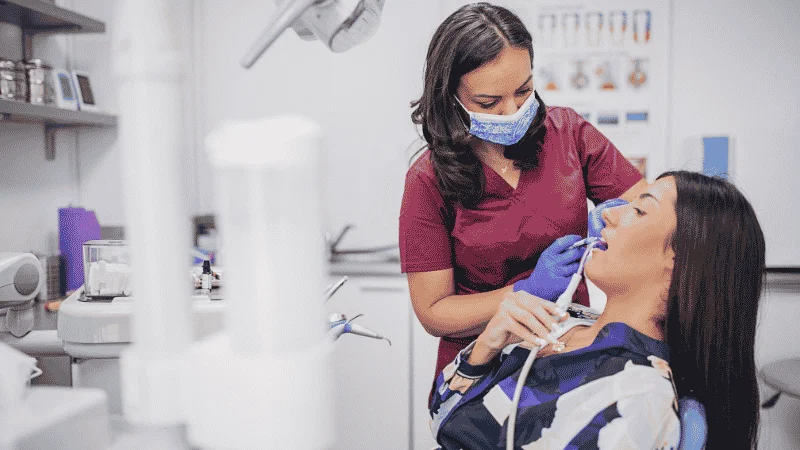
Treatment is only the first step. You must control bacteria every day to keep gum disease from returning.
Brush twice daily with a soft toothbrush. Clean between your teeth with floss or interdental brushes.
Ongoing visits matter just as much. Many dental offices stress that periodontal therapy requires regular maintenance visits to prevent bacteria from returning under the gumline.
You may need cleanings every three to four months instead of twice a year. These visits allow your dental team to measure pocket depth and adjust your periodontal care plan if needed.
When you stay consistent, you protect your teeth, support your gums, and lower the risk of tooth loss.
Frequently Asked Questions
You have options when treating gum disease, and each one has clear strengths and limits. Cost, comfort, healing time, and the stage of your gum disease all affect which treatment fits your needs.
What are the pros and cons of laser gum therapy compared to traditional scaling and root planing?
Laser gum therapy uses focused light energy to remove infected tissue and bacteria. Many patients report less bleeding and swelling after treatment. Some offices offer it as part of laser therapy vs deep cleaning for gum disease treatment.
Traditional scaling and root planing (SRP) uses hand and ultrasonic tools to remove plaque and tartar from below your gumline. Dentists have used this method for decades, and research shows it works well.
A clinical study that compared laser-assisted periodontal therapy with conventional SRP found that both treatments reduced pocket depth and improved gum attachment levels.
The differences between the two were small, and both groups improved in a similar way.
Laser treatment may cost more and is not always covered by insurance. SRP may require local anesthesia and sometimes more than one visit, but it remains a standard first step for most cases.
How does the cost of laser gum treatment differ from that of deep cleaning?
Laser gum treatment often costs more than scaling and root planing. Insurance plans usually classify SRP as a standard periodontal procedure, so they may cover a larger portion of the fee.
Laser procedures may fall under newer or specialized services. Coverage varies by plan, and some patients pay a higher out-of-pocket cost.
You should ask your dental office for a written estimate. This helps you compare fees for laser therapy and deep cleaning before you decide.
Are there any particular benefits of choosing laser bacterial reduction for gum health?
Laser bacterial reduction targets bacteria inside the gum pockets. Dentists may use it along with scaling and root planing to lower the number of harmful bacteria.
Some patients notice less bleeding and swelling after laser use. Healing may feel more comfortable for certain people.
Still, most dentists view laser bacterial reduction as a support to standard cleaning, not a full replacement. A personalized exam helps your dentist decide if it adds value in your case.
Is laser periodontal therapy considered a better option for treating gum recession?
Laser therapy does not reverse gum recession. It can reduce infection and inflammation around receded areas, but it cannot grow lost gum tissue back.
If you have significant recession, your dentist may suggest gum graft surgery instead. SRP or laser therapy can help control the disease that caused the recession, but they do not rebuild tissue.
Your dentist will measure your gum levels and bone support before recommending a plan. The right treatment depends on how much tissue and bone you have lost.
What are the key factors to consider when deciding between LANAP and traditional scaling and root planing?
LANAP is a specific type of laser procedure designed to treat moderate to severe gum disease. It aims to remove diseased tissue while keeping healthy tissue in place.
Traditional scaling and root planing focuses on physically removing plaque and tartar from root surfaces. It often serves as the first step in treating periodontitis.
You should consider pocket depth, bone loss, medical history, and cost. Your dentist may also look at how well you can keep up with home care after treatment.
At what point is gum disease considered too advanced for non-surgical treatments like laser therapy or scaling and root planing?
Gum disease becomes advanced when you have deep pockets, severe bone loss, loose teeth, or pus around the gums. At this stage, non-surgical treatment alone may not control the infection.
If pocket depths stay deep after SRP or laser therapy, your dentist may recommend surgery. Surgical care can give better access to clean roots and reshape bone.
Early treatment gives you the best chance to avoid surgery. Regular exams help catch gum disease before it reaches this stage.