You decide to improve your smile, but you may not know what happens at the first visit. A complete smile makeover consultation gives you a clear plan and realistic options.
During a smile makeover consultation, you share your goals, complete a full dental exam with photos or digital scans, review possible cosmetic treatments, and leave with a personalized plan that fits your needs and budget.
Your cosmetic dentist listens to what you want to change, whether that means whiter teeth, straighter alignment, or fixing chips and gaps.
You receive a careful exam of your teeth, gums, and bite to make sure your mouth stays healthy during cosmetic dentistry treatment. Digital images may show you how your new smile could look before you begin.
You also talk about timing, cost, and how to care for your results. This visit helps you understand your options and feel confident about your next steps.
Key Takeaways
- You discuss your smile goals and concerns in detail.
- You receive a full exam with images to guide treatment choices.
- You leave with a clear plan that outlines options, timing, and cost.
Table of Content
- Personal Goals and Aesthetic Preferences
- Comprehensive Oral Evaluation and Digital Records
- Smile Visualization and Treatment Possibilities
- Creating Your Personalized Treatment Plan
- Discussing Cost and Payment Solutions
- Preparing for the Next Steps and Aftercare
- Frequently Asked Questions
Personal Goals and Aesthetic Preferences
Your smile makeover consultation starts with a clear talk about what you want to change and why. You and your cosmetic dentist focus on your goals, your concerns, and the exact look you hope to achieve.


Defining Your Smile Goals
You begin by stating what you want your smile to look like. Be specific. Do you want whiter teeth, straighter edges, or less gum showing when you smile?
Your dentist may ask simple but direct questions such as:
- Do you want a natural look or a brighter, more polished look?
- Are you bothered by uneven teeth or small gaps?
- Do you want to fix chips, cracks, or worn edges?
Clear answers help guide the smile design process. If you say you feel self‑conscious about a gummy smile or stained teeth, your dentist notes that right away.
These details shape your personalized treatment. A smile makeover is not one plan for everyone. Your goals drive the customized treatment plan from the start.
Discussing Concerns and Desired Outcomes
Next, you explain what bothers you most about your current smile. Some people focus on color. Others worry about uneven teeth, crowding, or old dental work that does not match.
Your cosmetic dentist will examine your teeth, gums, and bite. They connect what they see with what you feel.
For example:
| Your Concern | Possible Focus in Smile Makeover |
| Yellow or stained teeth | Professional whitening |
| Uneven teeth edges | Bonding or veneers |
| Gummy smile | Gum contouring |
| Small gaps | Aligners or veneers |
You also talk about the outcome you expect. Do you want subtle changes or a full transformation?
A detailed discussion during your smile makeover consultation helps prevent surprises later. You leave with a clear idea of what results are realistic and how they fit your face.
Sharing Smile Inspirations
Photos can make your ideas clearer. Many patients bring pictures of smiles they like. This helps your dentist understand your taste in shape, color, and symmetry.
You might point out:
- The brightness of the teeth
- The length and shape of the front teeth
- How much gum shows when smiling
Your dentist uses these examples to guide the smile design, not copy someone else’s teeth. Your facial features, lip line, and bite must all match the final result.
This step keeps your smile makeover personal. It ensures your customized treatment plan reflects what feels right to you, not just what looks good in a photo.
Comprehensive Oral Evaluation and Digital Records
Your dentist studies your teeth, gums, and bite before suggesting any cosmetic treatment. This detailed review uses clinical exams and digital tools to build accurate dental records and guide safe, lasting results.
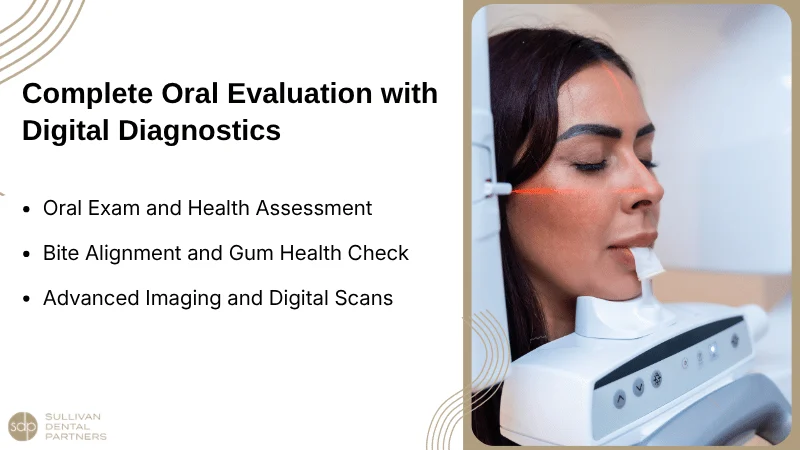
Oral Exam and Health Assessment
Your visit begins with a thorough dental checkup and complete oral health evaluation. The dentist checks each tooth for decay, cracks, worn enamel, and old fillings that may need replacement.
You may also receive digital X-rays as part of this process. These images show areas below the surface, including tooth roots and bone levels. Digital X-rays use less radiation than older systems and provide clear images within seconds.
Your dentist reviews your medical and dental history as well. Past treatments, grinding habits, and any jaw pain can affect your smile makeover plan.
This comprehensive oral examination ensures your mouth is healthy enough for cosmetic work. If you have untreated cavities or infection, your dentist will recommend treating those first.
Clear and organized dental records, including photos and charting, help track your starting point and compare results later.
Bite Alignment and Gum Health Check
Your dentist evaluates your bite alignment to see how your upper and lower teeth fit together. A poor bite can cause uneven wear, chipped veneers, or jaw discomfort.
They may ask you to bite down and move your jaw side to side. This helps identify pressure points and signs of grinding.
Gum health also plays a key role. Your dentist checks for redness, swelling, bleeding, and signs of gum disease. Healthy gums create a stable base for cosmetic treatments like veneers or crowns.
The gum line is carefully measured and reviewed. Uneven gum levels or excess gum tissue can affect how long or short your teeth look.
If needed, your dentist may suggest gum contouring or periodontal care before moving forward. Strong gums and balanced bite alignment protect your long-term results.
Advanced Imaging and Digital Scans
Modern consultations often include digital imaging and detailed scans. These tools give a full view of your teeth, jaw, and facial structure.
Many offices now use 3D imaging to study bone support and tooth position. According to this overview of a modern smile makeover consultation, advanced technology helps dentists plan treatment with more precision.
Intraoral digital scans replace messy impression trays. A small handheld scanner captures a 3D model of your teeth in minutes.
These digital scans allow your dentist to test changes through digital smile simulation. You can preview possible tooth shapes, sizes, and alignment before treatment begins.
Accurate imaging reduces guesswork and supports a customized plan designed around your actual anatomy, not estimates.
Smile Visualization and Treatment Possibilities
Your dentist does more than talk about ideas. You see possible results on a screen and review clear treatment options that fit your goals, budget, and timeline.
Digital Smile Design and Simulation
Your dentist may use digital smile design to map out changes to your teeth and gums. They take photos, digital scans, and sometimes 3D images of your mouth. This data helps them study your bite, tooth shape, and gum line in detail.
With a digital smile simulation, you see a realistic image of how your teeth could look after treatment. The software adjusts size, color, spacing, and alignment. You can compare your current smile to the proposed one side by side.
This step helps you give clear feedback. If you want teeth that look more natural or less rounded, you can say so before treatment begins. It reduces guesswork and helps you and your dentist agree on a clear plan.
Previewing Smile Transformation
A smile simulation gives you a visual preview, not just a description. You see changes in tooth shade after professional teeth whitening or how gaps may close with veneers or clear aligners.
Some offices also create a temporary mock-up. Your dentist may place a trial material over your teeth so you can view the shape and length in a mirror. This step helps you test the look before committing to porcelain veneers or dental crowns.
You should ask what the preview includes. For example:
- Will it show final tooth color?
- Does it reflect gum contouring changes?
- Can you adjust the design?
Clear previews help you make informed choices and avoid surprises later.
Exploring Cosmetic Procedures
After reviewing images, you discuss specific cosmetic procedures. Your dentist explains what each option can fix and how long results may last.
Common treatments include:
- Professional teeth whitening for surface stains
- Porcelain veneers for chips, gaps, or uneven teeth
- Composite bonding for small repairs
- Dental crowns for damaged or weak teeth
- Invisalign or clear aligners for mild to moderate crowding
- Braces for more complex orthodontic issues
- Gum contouring to reshape uneven gums
- Dental implants to replace missing teeth
Not every smile needs every procedure. Some people combine teeth whitening with bonding. Others need orthodontics before veneers.
Your dentist should explain the pros, limits, cost range, and care needs for each option. This discussion helps you choose treatments that match your goals and protect your long-term oral health.
Creating Your Personalized Treatment Plan
Your cosmetic dentist turns your goals and exam results into a clear, step-by-step plan. You review treatment options, timing, and expected results so you know exactly what will happen and why.
Addressing Oral Health First
You start with the basics. Your cosmetic dentist checks for cavities, gum disease, worn fillings, bite problems, and signs of grinding.
Healthy teeth and gums create the base for long-lasting results. If you need cleanings, periodontal care, or root canal therapy, your dentist schedules those first. This step protects your smile transformation from future problems.
Many dentists explain this process during a modern smile makeover consultation, where they review digital scans, photos, and bite analysis before making treatment recommendations. You may also see X-rays or 3D images that show hidden issues.
By fixing health concerns first, you reduce the risk of pain, infection, or damage later. This approach keeps your personalized treatment focused on both function and appearance.
Customizing Cosmetic Enhancements

Once your mouth is healthy, you and your dentist focus on appearance. You talk about the color, shape, size, and alignment of your teeth.
Your personalized treatment plan may include whitening, veneers, bonding, clear aligners, gum reshaping, or restorative work.
A complete makeover can combine several procedures into one coordinated plan, similar to a complete smile makeover process.
Your dentist explains each option in simple terms:
- What the procedure changes
- How long it lasts
- How it will look
- How to maintain it
You may view digital previews or mock-ups. These tools help you choose natural-looking results that match your face and personality.
Every decision supports your goals. You stay involved at each step.
Establishing a Treatment Timeline
Next, you build a clear treatment timeline. Some procedures happen in one visit, while others take months.
For example, whitening may take a few weeks. Clear aligners often require several months. Veneers usually need two or more appointments.
Your dentist explains what happens at each stage. You learn how long appointments last, how much healing time you need, and when you will see changes.
A well-planned treatment timeline helps you plan around work, school, or events. It also allows phased treatment if you prefer to space out procedures.
With a structured treatment plan, you move forward with confidence. You understand the order of care, the expected results, and how each step builds toward your final smile.
Discussing Cost and Payment Solutions
You review clear cost estimates, explore payment options, and see how your customized treatment plan fits your budget. Your dentist explains each fee so you understand what you are paying for and why.
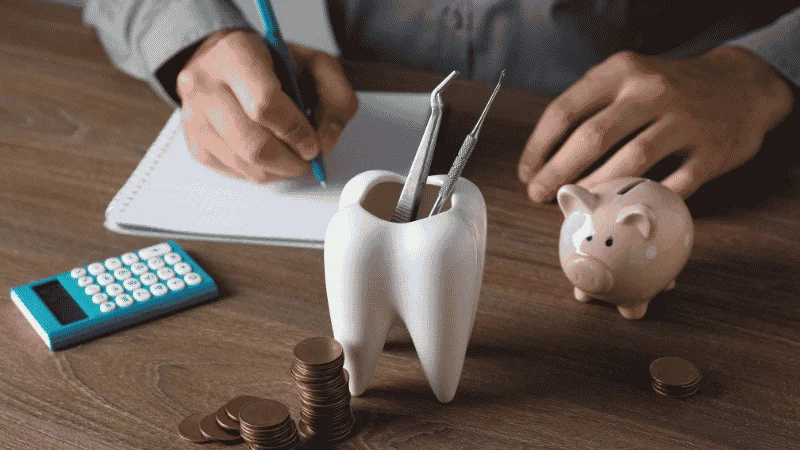
Cost Estimates and Budgeting
Your dentist gives you detailed cost estimates based on your customized treatment plan. If you need veneers, whitening, crowns, or implants, each procedure appears as a separate line item.
You see what each service includes, such as lab fees, materials, and follow-up visits. This breakdown helps you avoid surprise charges later.
Costs vary based on how many teeth need treatment and how complex the work is. A small plan that includes whitening and bonding will cost less than a full plan with implants and orthodontics.
Many offices review pricing during your smile makeover consultation. You can discuss your budget openly and adjust the plan if needed.
For example, you may choose to phase treatment over several months. This approach spreads out costs and makes budgeting easier.
Flexible Payment Plans and Options
Most dental offices offer several payment options to help you manage costs. You can often pay in full, split payments across visits, or use third-party financing.
Flexible payment plans may allow monthly payments with fixed terms. Some plans offer low or no interest for a set period.
You can also use health savings accounts (HSA) or flexible spending accounts (FSA) if eligible. These accounts let you use pre-tax dollars for certain dental treatments.
Ask for a written agreement that outlines payment due dates and total amounts. Clear terms help you avoid missed payments or added fees.
When you understand your options, you can choose a plan that fits your income and monthly expenses without stress.
Insurance Considerations
Many cosmetic procedures are elective, so dental insurance may not cover them. Treatments that improve function, such as crowns or implants, may receive partial coverage.
Your dental team can review your policy and estimate what your insurer may pay. You still remain responsible for deductibles, co-pays, and non-covered services.
During your visit, you may also discuss cost and financing during a smile makeover consultation. This conversation helps you see the difference between cosmetic and medically necessary treatments.
Request a pre-treatment estimate from your insurer when possible. This step gives you a clearer picture of your out-of-pocket cost before you begin.
Preparing for the Next Steps and Aftercare
After your consultation, you move from planning to action. You will set dates, protect your oral health, and follow clear maintenance steps to support long-lasting results.
Scheduling Treatments
You and your dental team will map out a clear treatment timeline. Some procedures, like professional whitening, may take one visit. Others, such as veneers, crowns, or aligners, require multiple appointments.
Your dentist will explain how long each step takes and what kind of recovery to expect. If you need fillings, gum care, or other treatments found during your oral examination, you will complete those first.
Expect to review:
- Number of visits
- Estimated recovery time
- Costs and payment options
- Time between procedures
You should block time on your calendar and plan around work or school if you expect short recovery periods.
Optimizing Oral Health for Lasting Results
Healthy teeth and gums support every cosmetic treatment. If your dentist found plaque buildup, gum inflammation, or decay during your oral examination, you must treat those issues first.
You may need:
- A professional cleaning
- Gum therapy
- Small fillings
- Bite adjustments
These steps protect your investment. Cosmetic work placed on unhealthy teeth will not last as long.
Your dental team may also review brushing and flossing technique. Simple changes in daily habits improve healing and reduce problems during recovery.
Post-Treatment Maintenance Tips
After treatment, maintenance becomes your main focus. You protect your new smile with daily care and regular checkups.
Follow these core steps:
- Brush twice a day with a soft toothbrush
- Floss daily to remove plaque between teeth
- Use non-abrasive toothpaste if you have veneers or crowns
- Avoid heavy pressure or grinding
If you received professional whitening, limit coffee, tea, and tobacco to reduce stains. Your dentist may suggest a nightguard if you grind your teeth.
Attend regular exams so your dental team can check your bite, polish restorations, and monitor oral health. Consistent maintenance keeps your results stable and lowers the chance of repairs.
Frequently Asked Questions
You may wonder what to bring, how long the visit will take, and which treatments might fit your goals. You may also want to know about imaging, timing, and comfort options before you commit.
What should I bring or prepare before my smile makeover consultation?
Bring a list of your concerns and what you want to change about your smile. Clear goals help your dentist plan the right steps.
Share your full medical history and a list of medications. Some health conditions and drugs affect healing and treatment choices.
If you have dental insurance, bring your card. You can also bring photos of smiles you like to show your style preferences.
How long does the consultation usually take, and what will happen during the visit?
Most consultations last 60 to 90 minutes. Complex cases may take longer.
Your dentist will review your health history and examine your teeth, gums, and bite. You will talk about what bothers you and what you want to improve.
Many offices explain each step in detail. You should leave with a clear outline of possible treatments and next steps.
Which cosmetic and restorative treatment options might be discussed for my goals?
Your dentist may suggest porcelain veneers to change tooth shape and color. They may also discuss crowns if a tooth is weak or damaged.
Teeth whitening can brighten stained enamel. Clear aligners or braces can fix crowding or gaps.
Some plans include bonding for small chips or gum contouring to adjust the gum line. Each option depends on your oral health and the look you want.
Will you take photos, X-rays, or digital scans, and are they necessary?
Yes, most offices take photos, X-rays, and digital scans. These tools help your dentist see problems that are not visible to the eye.
Photos document your starting point. Digital scans create a 3D model of your teeth, which helps with planning veneers, crowns, or aligners.
Many practices also show a preview of possible results during the visit, as described in this step-by-step smile makeover process. These records make your plan more accurate and safer.
How do you estimate the total timeline for the treatment plan from start to finish?
Your dentist looks at the number of procedures and their order. Some treatments, like whitening, take a few weeks.
Others, like orthodontics, may take several months. Healing time between steps can also affect the schedule.
Many clinics outline a clear sequence during planning. You should receive an estimated start and end date before you begin.
Can you explain any comfort options if I’m nervous about dental procedures?
Tell your dentist if you feel anxious. They can adjust the pace of treatment and explain each step before they begin.
Many offices offer local anesthesia to numb the area. Some also provide oral medication or nitrous oxide for relaxation.
You can ask for breaks during longer visits. Clear communication helps you stay calm and in control.