
Losing a tooth affects more than just your smile. It impacts how you eat, speak, and feel about yourself every day.
When it comes to replacing missing teeth, you have several options, but dental implants are a popular choice despite their higher price tag.
Dental implants cost more upfront than dentures or bridges, but they often provide better value over time because they can last 20 years or longer with minimal maintenance, while other options need replacement every 5 to 10 years.
A single implant typically costs between $3,000 and $4,500, which might seem like a lot at first.
However, when you add up the replacement costs, adjustments, and repairs that bridges and dentures require over two decades, implants often end up being more affordable.
The decision isn’t just about money. Implants work like natural teeth, which means you can eat the foods you love without worry.
When you ask yourself, “are dental implants worth it,” the answer lies in these lasting benefits, protection, function, and confidence that simply don’t compare to other options.
Understanding the full picture of costs, benefits, and how implants fit into your life will help you make the right choice.
Key Takeaways
- Dental implants cost more upfront but save money over 20 years compared to bridges and dentures that need regular replacement
- Implants preserve your jawbone health and restore up to 90% of natural bite force
- You care for implants just like real teeth with regular brushing and flossing
Dental Implants: What Sets Them Apart
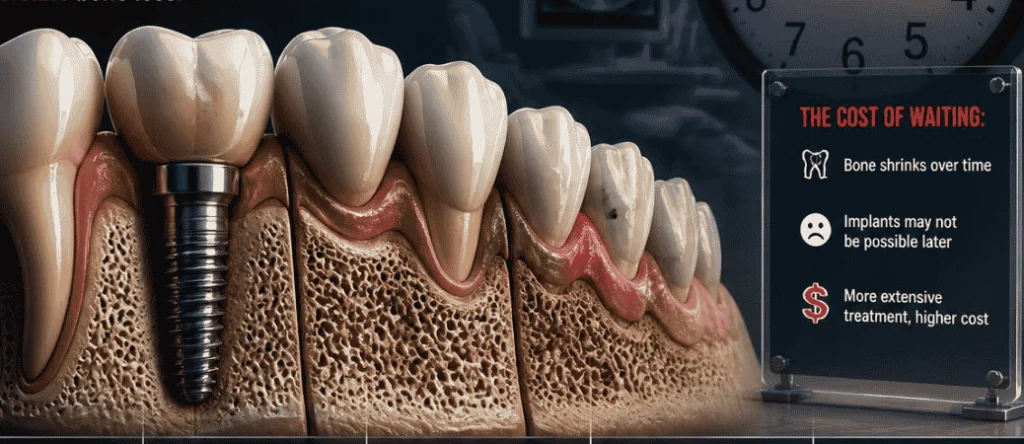
Dental implants use a titanium post that fuses with your jawbone to create a stable foundation for replacement teeth.
This unique approach differs from other tooth replacement options because it replaces both the root and crown of your missing tooth.
How Dental Implants Work
A dental implant consists of three main parts that work together. The titanium post acts as an artificial tooth root that gets placed into your jawbone. An abutment connects to the top of this post.
A crown sits on the abutment to complete your new tooth.
The key to how dental implants function is a process called osseointegration. This is when your jawbone grows around and fuses with the titanium post over several months.
The bond created during osseointegration makes the implant post incredibly stable.
Once osseointegration is complete, your implant can handle the same forces as natural teeth. You can bite, chew, and speak normally without worry about movement or slipping.
Tooth Replacement vs. Other Options

Dentures rest on your gums and often require adhesives to stay in place. They can slip when you eat or talk. Bridges attach to surrounding teeth by filing them down, which damages healthy tooth structure.
Dental implants stand alone without affecting your other teeth. They don’t need clips, adhesives, or support from neighboring teeth.
What makes implants different from other tooth replacement options is that they preserve your jawbone density.
The implant post stimulates your jawbone like a natural root does. This prevents the bone loss that typically happens after tooth loss. Both dentures and bridges don’t offer this benefit since they sit on top of your gums.
The Dental Implant Process
Your dentist will first examine your jaw to ensure you have enough bone density. If needed, you might require a bone graft before implant placement.
The actual implant surgery involves placing the titanium post into your jawbone under local anesthesia.
Healing takes three to six months while osseointegration occurs. During this time, you’ll have a temporary tooth or wear your existing denture. Once healed, your dentist attaches the abutment in a minor follow-up procedure.
The final step involves placing your custom-made crown. The entire dental implant process can span several months, but the result is a tooth replacement that can last 20 years or more with proper care.
Considering dental implants in Brentwood, TN? Schedule your consultation today at Sullivan Dental Partners and let our team answer all your questions.
Initial Cost vs. Long-Term Value
Dental implants typically cost more upfront than other tooth replacement options, but they can save you money over decades of use.
The price you pay depends on several factors, and understanding how implants compare to alternatives helps you make the best choice for your budget and health.
Factors That Influence the Cost of Dental Implants
The cost of dental implants varies widely based on your specific needs. A single implant with a custom dental crown typically ranges from $3,000 to $6,000. If you need bone grafting or sinus lifts before placement, expect to add $500 to $3,000 per procedure.
Your location affects pricing too. Dentists in urban areas often charge more than those in smaller towns. The type of implant matters as well—titanium implants are the standard choice, while a zirconia implant usually costs $500 to $1,000 more per tooth.
Key cost factors include:
- Number of missing teeth you need to replace
- Whether you need preparatory procedures
- Type of dental crown material (porcelain, ceramic, or metal)
- Your dentist’s experience and training
- Geographic location of the practice
Many dental practices offer payment plans to make the initial investment more manageable for your budget.
Comparing Dental Implants to Bridges and Dentures
Dental bridges cost $2,000 to $5,000 upfront and last 5 to 15 years before needing replacement. Traditional dentures run $1,500 to $3,000 but require refitting every 5 to 10 years as your jawbone changes shape.
Implant-supported dentures provide decades of reliable function with proper care. While bridges and dentures seem cheaper initially, their replacement costs add up. You’ll likely replace a bridge twice and dentures three times over 20 years.
Implants also protect your jawbone from deteriorating, which happens when you have missing teeth. Bridges require grinding down healthy adjacent teeth, which weakens them permanently.
Maintenance and Replacement Costs Over Time
Your dental implants need the same care as natural teeth—brushing twice daily and flossing. Professional cleanings every six months cost $75 to $200. That’s it for routine maintenance.
Dentures require adhesives, cleaning solutions, and adjustments that add $300 to $500 yearly. Bridges need special flossing tools and may require repairs to supporting teeth.
Most implants last 25 years or longer, and many function for life. Your dental crown on top typically needs replacement every 10 to 15 years at $1,000 to $3,000 per crown.
Even with crown replacement, dental implants prove more cost-effective over time than options requiring complete replacement every few years.
Long-Term Health Benefits
Dental implants provide benefits that extend far beyond replacing missing teeth. They protect your jawbone, support the health of your remaining teeth, and restore natural abilities like speaking and eating.
Preserving Jawbone and Facial Structure
When you lose a tooth, your jawbone begins to shrink because it no longer receives stimulation from chewing. This process is called bone resorption. Dental implants prevent this by acting like natural tooth roots.
The implant fuses with your jawbone through a process called osseointegration. This creates a permanent bond that stimulates the bone when you chew. The stimulation keeps your jawbone healthy and maintains its density.
Without this stimulation, you can lose up to 25% of your jawbone width in the first year after tooth loss. Over time, this bone loss changes your facial structure.
Your cheeks may appear sunken, and your face can look older than your actual age.
Implants preserve your natural facial contours. They maintain the support structure under your skin and prevent the collapsed appearance that often comes with dentures.
Supporting Long-Term Oral Health
Dental implants protect your remaining natural teeth in ways that other replacement options cannot. Unlike bridges, they don’t require grinding down healthy adjacent teeth. Each implant stands independently in your jawbone.
This independence means your other teeth stay intact and healthy. You can brush and floss around implants just like natural teeth. The long-term oral health benefits include easier cleaning and reduced risk of decay.
Implants also prevent your other teeth from shifting into the empty space. When teeth shift, it creates bite problems and can lead to jaw pain. By filling the gap, implants keep your remaining teeth properly aligned.
Impact on Speech and Eating
Missing teeth or loose dentures can make it hard to pronounce certain words clearly. Implants restore your ability to speak naturally. They stay firmly in place, so you won’t experience slipping or clicking sounds when you talk.
Your eating experience improves dramatically with implants. You can bite into foods with normal force, just like you did with natural teeth. There are no dietary restrictions or foods you need to avoid.
Dentures typically restore only 25-30% of your original chewing power. Implants restore up to 80-90% of natural chewing ability. This means you can enjoy a wider variety of foods and maintain better nutrition.
Live in Brentwood, Franklin, or Nashville, TN? Visit our local office for a personalized evaluation and cost breakdown.
Lifestyle Advantages and Patient Experience
Dental implants offer real improvements to daily life that go beyond just filling gaps in your smile. You’ll notice better eating experiences, increased self-assurance in social settings, and simpler daily care routines.
Functionality and Comfort
You can eat whatever you want with dental implants. They restore full chewing power similar to natural teeth, so you won’t need to avoid tough foods like apples, corn on the cob, or steak.
This means better nutrition and more enjoyment at mealtimes.
Implants feel natural in your mouth. Unlike dentures that can slip or cause discomfort, implants stay firmly in place because they’re anchored directly into your jawbone.
You won’t experience the rubbing or sore spots that removable dentures often cause.
Speech improves with implants too. Traditional dentures can slip and cause slurred words or clicking sounds when you talk. Implants stay put, so you can speak clearly and confidently without worrying about your teeth moving around.
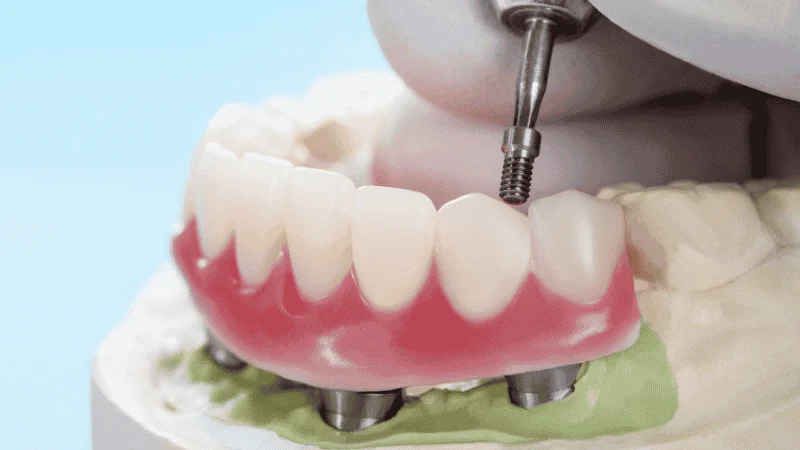
Implant-supported dentures provide stability for patients who need multiple tooth replacements. They combine the coverage of dentures with the security of implants.
Confidence and Restoring Smiles
Your social life changes when you feel good about your smile. Dental implants look just like natural teeth, with custom-made crowns that match your existing teeth in color and shape. Nobody will know you have them unless you tell them.
Restoring smiles affects how you interact with others. You’ll feel more comfortable laughing, smiling widely in photos, and engaging in conversations without covering your mouth.
This confidence extends to professional settings where first impressions matter.
Implants prevent the sunken facial appearance that often happens with missing teeth. They maintain your jawbone structure and facial shape, helping you look younger and healthier.
Your face keeps its natural contours and expressions.
Oral Hygiene and Easy Maintenance
Taking care of implants is straightforward. You brush and floss them just like your natural teeth, using regular toothpaste and a soft-bristled brush. There’s no need for special cleaning solutions or overnight soaking.
Oral hygiene routines remain simple with implants. You don’t have to remove them for cleaning, and food particles don’t get trapped underneath like they do with dentures.
Regular brushing twice daily and flossing once keeps them clean.
Regular dental checkups keep your implants healthy for decades. Your dentist will examine them during routine visits and perform professional cleanings.
This maintenance schedule is the same as what you’d follow for natural teeth.
Determining Candidacy and the Implant Process
Getting dental implants involves several steps, starting with an evaluation to see if you qualify. Your dentist will check your bone health, gum condition, and overall medical history to create a safe treatment plan.
Who Is a Good Candidate?

Most adults with missing teeth can get dental implants, but determining dental implant candidacy involves looking at several factors.
During your implant consultation, your dentist will check if you have enough jawbone to support the implant. They’ll also examine your gums for any signs of disease or infection.
You’ll likely qualify if you have good oral hygiene habits and are willing to maintain them. People with certain health conditions like diabetes or osteoporosis aren’t automatically ruled out. Your dentist just needs to plan carefully around these conditions.
Smoking can slow healing, so your dentist may ask you to quit or cut back before surgery. Consistency with oral hygiene is essential for long-term implant success.
You’ll need to commit to regular brushing, flossing, and dental checkups to prevent problems.
Still wondering, “are dental implants worth it?” Contact us today to start the conversation.
Preparing for Implant Surgery
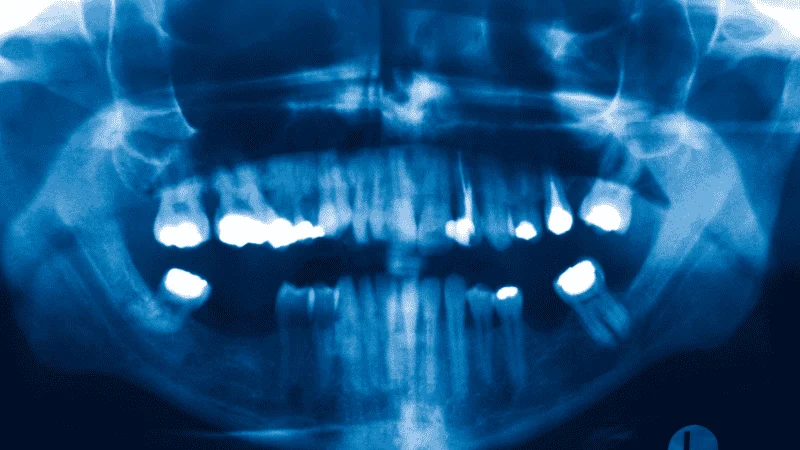
Before implant placement, your dentist will take X-rays or 3D scans of your jaw. These images show the exact depth and width of your bone and help identify the safest spots for your implants.
If you have gum disease, you’ll need treatment first. This might include deep cleaning or medication to clear up infection. Healthy gums create a better foundation for healing.
Sometimes a tooth extraction is needed before you can get an implant. Depending on your bone health, you might qualify for same-day implant placement. Other times, waiting a few months for the area to heal gives better results.
Your dentist will review all your medications during this stage. Some drugs affect bone healing, so adjustments might be necessary.
Common Procedures: Bone Grafting and Sinus Lift
Bone grafting becomes necessary when your jawbone is too thin or weak to hold an implant securely. This happens often when teeth have been missing for years.
The graft material encourages new bone growth and creates a stronger base.
A sinus lift is a specific type of bone grafting for your upper jaw. Your sinuses sit right above your upper back teeth. If there’s not enough bone height between your jaw and sinus, the dentist lifts the sinus membrane and adds bone underneath.
Both procedures add time to your treatment. You’ll typically wait several months for the grafted bone to heal before implant surgery. While this extends the timeline, it greatly improves your chances of long-term success.
How Long Do Dental Implants Last?
The titanium post in your dental implant can last 20 to 30 years or longer, while the crown attached to it typically needs replacement every 10 to 15 years.
Expected Lifespan of Implants
Dental implants have survival rates above 90% at 5 years and commonly maintain rates above 90% at 10 years when properly placed and cared for. Your implant has three main parts that age differently.
The implant post itself integrates with your jawbone and often lasts a lifetime. This titanium screw becomes a permanent part of your mouth through a process called osseointegration.
The abutment connecting the post to your crown typically lasts 10 to 20 years. Your custom dental crown experiences the most wear since it handles all the chewing forces.
Most dental crowns need replacement after 10 to 15 years of use.
These timelines represent averages. Your actual results depend on your oral hygiene habits, overall health, and whether you smoke or grind your teeth.
Tips for Maximizing Longevity
Maintaining dental implants properly is the key to extending their lifespan. Brush twice daily and floss around your implant just like you would with natural teeth.
Daily habits that protect your investment:
- Visit your dentist every six months for professional cleanings
- Avoid chewing ice or hard foods that can crack your crown
- Quit smoking since tobacco interferes with healing and bone health
- Wear a night guard if you grind your teeth while sleeping
Managing health conditions like diabetes also helps your implant succeed long-term. High blood sugar can slow healing and increase infection risk around the implant site.
Regular dental exams let your dentist spot problems early and address issues before they threaten your implant. Your bone health and gum tissue need monitoring to catch any changes that could affect stability.
Not sure if you qualify for implants? Call now to discuss your candidacy and take the first step toward a permanent smile.
Frequently Asked Questions
Many people have similar questions when deciding if dental implants fit their budget and lifestyle. Understanding the costs, benefits, and what to expect can help you make a confident choice.
What are the long-term benefits of getting dental implants?
Dental implants preserve your jawbone health, which is something no other tooth replacement option can do. When you lose a tooth, the bone underneath begins to break down without the root to keep it strong.
This bone loss can change the shape of your face over time.
Implants feel and work like your natural teeth. You can eat all your favorite foods without worry. They don’t slip or shift when you talk or laugh.
Dental implants are considered a permanent solution for replacement teeth. Once they bond with your jawbone, they can last a lifetime with good care and regular dental visits.
How do dental implant costs compare to other tooth replacement options?
Dental implants have a higher upfront cost than bridges or dentures. However, they frequently cost less over time because they don’t need replacement as often.
Bridges typically last 7 to 10 years before you need a new one. Dentures require ongoing adjustments and replacements. Each time you replace these options, you pay again.
Implants are designed as a one-time investment. While you pay more at the start, you avoid the repeated costs that come with other options.
Are there any financial assistance programs available for dental implants?
Many dental offices offer payment plans that let you spread the cost over several months or years. This makes the upfront cost easier to manage for most budgets.
Some dental insurance plans cover part of the implant procedure. You should check with your insurance provider to see what your plan includes.
Health savings accounts and flexible spending accounts can be used for dental implants. These accounts let you pay with pre-tax dollars, which reduces your overall cost.
What factors should be considered when evaluating the value of dental implants?
Your overall oral health affects whether implants will work well for you. You need healthy gums and enough bone density to support the implant.
Think about your long-term goals for how your smile looks and functions. Implants offer the most natural appearance compared to other replacement options.
Your daily lifestyle matters too. If you want to eat without restrictions and avoid the hassle of removing dentures, implants give you more freedom.
How long do dental implants typically last compared to other solutions?
Dental implants are designed to last 20 years or more and in many cases a lifetime. This makes them far more durable than other tooth replacement choices.
Dental bridges usually need replacement after 7 to 10 years. The teeth on either side of the bridge can also develop problems over time.
Partial dentures have the shortest lifespan. They need frequent adjustments as your mouth changes and typically require replacement every 5 to 7 years.
What maintenance and follow-up costs can be expected with dental implants?
You care for dental implants just like your natural teeth. Brushing twice a day and flossing daily keeps them clean and healthy.
Regular dental checkups are important to make sure your implants stay in good condition. These routine visits are the same ones you would need for natural teeth.
Unlike dentures or bridges, implants don’t require special cleaning products or adhesives. You won’t need to buy cleaning tablets, soaking solutions, or denture adhesives that add to your monthly expenses.