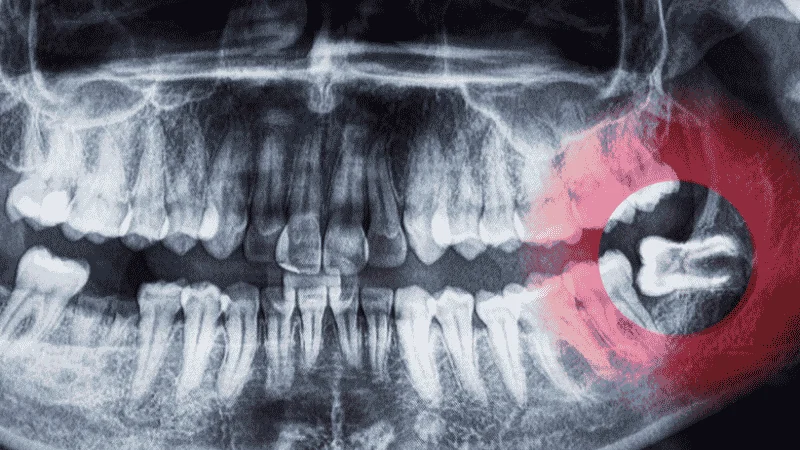
Wisdom tooth pain can range from a minor annoyance to a serious problem that needs immediate attention.
Most people experience some discomfort when their wisdom teeth start coming in, but recognizing impacted wisdom tooth symptoms and knowing when that pain becomes an emergency can protect your health and prevent complications.
Wisdom tooth pain becomes an emergency when you have severe swelling that affects your breathing or swallowing, a high fever, intense pain that doesn’t respond to over-the-counter medication, or you can’t open your mouth normally.
These signs often point to a spreading infection or other serious issue that requires prompt care from a dentist or oral surgeon.
Understanding the difference between normal discomfort and a true emergency helps you make the right choice about when to call your dentist.
This guide walks you through the warning signs to watch for, what causes emergency wisdom tooth pain, and what steps to take when your third molars are causing serious problems.
Key Takeaways
- Emergency wisdom tooth pain includes severe swelling, high fever, or difficulty breathing and swallowing
- Common causes include infection around partially emerged teeth, impaction, and abscess formation
- Quick treatment prevents complications like bone damage, cyst formation, and spreading infection
Recognizing Emergency Wisdom Tooth Pain
Wisdom tooth pain ranges from mild discomfort to severe emergencies requiring immediate care.
Knowing which symptoms need urgent attention helps you protect your health and avoid serious complications like infections spreading beyond your gums.
Common Wisdom Tooth Symptoms

Regular wisdom tooth pain often shows up as dull aching in your back molars. You might notice mild swelling in your gums or slight tenderness when you chew.
Many people experience jaw stiffness or pressure as their wisdom teeth try to push through. Bad breath and an unpleasant taste in your mouth can happen when food gets trapped around a partially emerged tooth.
Typical symptoms include:
- Aching or throbbing near your back molars
- Gum sensitivity when brushing or eating
- Mild jaw tightness
- Occasional headaches on one side
These symptoms usually come and go. They might bother you for a few days and then calm down on their own.
What Differentiates Emergency Pain
Emergency wisdom tooth pain feels different from regular discomfort. The pain is intense and doesn’t respond to over-the-counter medication like ibuprofen or acetaminophen.
Severe pain that doesn’t improve with pain medication signals a problem that needs professional care. You’ll know it’s serious when the pain keeps you awake at night or stops you from eating normally.
The location and spread of pain matter too. Emergency pain often radiates to your ear, neck, or entire side of your face. This spreading sensation means inflammation or infection is affecting nearby tissues and nerves.
Warning Signs Not to Ignore
Some wisdom tooth symptoms require immediate dental or medical attention. Swelling that spreads to your eye, neck, or makes breathing or swallowing difficult needs urgent care right away.
Seek emergency help if you experience:
- Fever above 101°F
- Swollen lymph nodes in your neck
- Pus or discharge around the tooth
- Difficulty swallowing or breathing
- Trismus (inability to open your mouth normally)
- Facial swelling that worsens quickly
Infections can spread beyond the gums, causing facial swelling and, in rare cases, sepsis. If you notice these warning signs, don’t wait for a regular appointment. Call your dentist immediately or go to the emergency room if breathing or swallowing becomes affected.
Not sure if your wisdom tooth pain is serious. Contact our experts today to get a clear diagnosis.
Causes of Emergency Wisdom Tooth Pain
Emergency wisdom tooth pain happens when something goes wrong during the tooth’s growth or when bacteria cause infection.
Impacted teeth, partial eruption, and bacterial infections are the main reasons wisdom tooth discomfort turns serious.

Impacted Wisdom Teeth and Their Risks
An impacted wisdom tooth is one that doesn’t have enough room to grow normally. The tooth gets stuck in your jawbone or gums, which can lead to several problems.
When your wisdom tooth is impacted, it might grow at an angle toward other teeth. It could also grow at an angle toward the back of your mouth or stay trapped within the jawbone.
Some impacted wisdom teeth grow at a right angle, as if the tooth is lying down.
These positioning problems create serious risks:
- Damage to nearby teeth: The impacted tooth can push against your second molars, causing pain and potential bite problems
- Cyst development: Fluid-filled sacs can form around the impacted tooth, damaging your jawbone and nerves
- Decay and gum disease: Impacted teeth are hard to clean, making them prone to cavities and infections
You might not feel pain right away, but impacted wisdom teeth positioned problematically can cause acute problems that require emergency care.
Partially Erupted Wisdom Tooth Problems
A partially erupted wisdom tooth breaks through your gums but doesn’t come in completely. This creates an opening where bacteria can enter and get trapped under the gum tissue.
The flap of gum tissue covering part of your tooth makes cleaning almost impossible. Food particles and bacteria collect in this space, and your toothbrush can’t reach the area properly.
Partially erupted wisdom teeth cause several complications:
- Swollen, tender gums that bleed when you brush
- Bad breath that doesn’t go away with normal cleaning
- Difficulty opening your mouth fully
- Pain when chewing on that side of your mouth
The gum flap can also get irritated from biting down on it. This repeated trauma makes inflammation worse and increases your risk of infection.
Infections: Pericoronitis and Dental Abscess
Pericoronitis develops when bacteria become trapped beneath the gum flap of a partially erupted wisdom tooth. This infection causes the gum tissue around your wisdom tooth to become red, swollen, and painful.
Early pericoronitis might feel like mild discomfort, but it can quickly become a serious wisdom tooth infection.
You’ll notice severe pain, swelling that extends to your cheek, and possibly pus discharge with a bad taste in your mouth.
A dental abscess is even more serious. This pocket of pus forms when bacteria cause a deep infection in or around your tooth. An abscess can develop at the tooth root or in the gums next to your wisdom tooth.
Warning signs of a dental abscess include:
- Intense, throbbing pain that spreads to your jaw, ear, or neck
- Fever and general feeling of being unwell
- Swollen lymph nodes under your jaw
- Difficulty swallowing or breathing
Both pericoronitis and dental abscesses require immediate treatment. Without proper care, these infections can spread to other parts of your face, neck, or bloodstream.
When to Seek Emergency Dental Care
Not all wisdom tooth pain requires urgent attention, but certain symptoms signal a dental emergency that needs immediate care.
Knowing when to call your dentist versus when you can wait helps prevent serious complications and protects your overall health.
Signs You Need Immediate Help
Severe pain that doesn’t respond to over-the-counter medication is one of the clearest signs you need emergency dental care. If you’ve taken ibuprofen or acetaminophen and your pain remains unbearable, don’t wait.
Facial swelling that extends beyond your jaw requires immediate attention. When swelling spreads to your cheek, eye, or neck, it indicates a spreading infection that could become dangerous.
You should seek help right away if you experience:
- Difficulty swallowing or breathing
- Fever above 101°F
- Swollen lymph nodes in your neck
- Pus or foul-tasting discharge from around the wisdom tooth
- Inability to open your mouth fully
- Bleeding that won’t stop after 10 minutes of pressure
These symptoms suggest your wisdom tooth pain has developed into a serious infection or other complication.
Potential Complications if Delayed
Waiting too long to address emergency wisdom tooth pain can lead to severe health problems. An untreated infection can spread to your jaw bone, causing osteomyelitis, which damages the bone tissue.
Ludwig’s angina is a rare but life-threatening complication where infection spreads to the floor of your mouth and throat. This condition can block your airway and requires hospitalization.
Sepsis can develop when bacteria from a tooth infection enters your bloodstream. This whole-body infection is a medical emergency that can damage organs and become fatal without treatment.
Other complications include:
- Cysts or tumors forming around impacted wisdom teeth
- Damage to neighboring teeth and their roots
- Chronic sinus problems from upper wisdom teeth infections
- Permanent nerve damage causing numbness
Who to Call: General Dentist vs. Oral Surgeon
General dentistry should be your first call during regular business hours. Most dentists reserve time slots for emergency appointments and can evaluate your situation quickly.
They can prescribe antibiotics for infections and provide pain relief while determining if you need emergency wisdom tooth removal.
An oral surgeon specializes in complex extractions and surgical procedures. Your dentist will refer you to one if your wisdom teeth are severely impacted or if removal requires surgery.
Call an oral surgeon directly if you already have one or if your wisdom teeth are partially erupted and causing severe symptoms after hours. Many oral surgery practices have emergency phone lines for urgent cases.
Go to the emergency room if you experience difficulty breathing, uncontrolled bleeding, severe facial swelling, or signs of sepsis like high fever and confusion.
Hospital emergency departments can stabilize you and connect you with a dental specialist.
Emergency Treatment Options
When wisdom tooth pain becomes severe, you need quick action to address the problem. Treatment depends on whether you can manage symptoms at home or need immediate professional care.
Professional Interventions for Severe Cases
If you’re experiencing severe pain, swelling, fever, or difficulty swallowing, you need to see a dentist right away. Dentists can perform emergency extractions when wisdom teeth cause serious complications or health risks.
Your dentist will first examine the affected area and may take X-rays to see what’s happening beneath your gums. For infections, they’ll likely prescribe antibiotics to control bacteria and reduce swelling before any other procedures.
In cases of mild inflammation, your dentist may clean the area thoroughly and prescribe medication instead of immediate extraction. They might also drain any abscesses that have formed around the tooth.
Pain Relief: At-Home Remedies
While waiting for your dental appointment, over-the-counter pain relievers like ibuprofen or acetaminophen can help manage discomfort. These medications reduce both pain and inflammation around the affected tooth.
A warm salt water rinse provides temporary relief by cleaning the area and reducing swelling. Mix half a teaspoon of salt in eight ounces of warm water and gently swish it around your mouth for 30 seconds.
You can also apply a cold compress to the outside of your cheek for 15-minute intervals. This helps numb the area and reduces inflammation.
Avoid chewing on the side where your wisdom tooth hurts, and stick to soft foods until you can see a dentist.
Tooth Extraction and Surgical Extraction
Simple wisdom tooth extraction works when the tooth has fully emerged from your gums. Your dentist numbs the area, loosens the tooth, and removes it in one piece. This procedure usually takes just a few minutes.
Surgical extraction becomes necessary when you need to remove impacted wisdom teeth that haven’t fully come through the gums.
The oral surgeon makes a small incision in your gum tissue and may need to remove some bone or divide the tooth into sections for easier removal.
Recovery from wisdom tooth removal typically takes three to four days for simple extractions and up to a week for surgical cases. Your dentist will give you specific aftercare instructions to prevent complications like dry socket.
Managing Recovery and Preventing Future Problems
Taking care of your mouth after wisdom tooth removal helps you heal faster and avoid painful complications. Good habits and regular dental visits can also stop problems before they start.
Post-Extraction Care and Dry Socket

After wisdom tooth removal, following your dentist’s instructions carefully reduces your risk of complications. Bite down gently on gauze for 30 to 45 minutes to help blood clots form. These clots protect the bone and nerves underneath.
Dry socket happens when the blood clot comes loose or dissolves too early. This leaves the socket exposed and causes sharp, severe pain that usually starts two to three days after surgery. You might also notice a bad taste or smell in your mouth.
To prevent dry socket, avoid the following for at least 72 hours:
- Drinking through straws (the suction can dislodge clots)
- Smoking or vaping
- Spitting forcefully
- Rinsing your mouth vigorously
Stick to soft foods like yogurt, mashed potatoes, and smoothies. Take prescribed pain medicine as directed. If you develop throbbing pain that doesn’t improve with medication, call your dentist right away.
Treatment for dry socket typically involves cleaning the socket and placing medicated dressing to ease discomfort.
Preventing Emergency Wisdom Tooth Pain
Regular dental cleaning and exam help catch wisdom tooth problems early, before they turn into emergencies. Your dentist can track how your wisdom teeth are growing and spot issues like impaction or crowding.
Brush twice daily and floss around your back teeth, even if it feels awkward. Food and bacteria easily get trapped around partially erupted wisdom teeth, leading to infection and inflammation.
Use an antibacterial mouthwash to keep the area clean.
If your dentist recommends removing your wisdom teeth before they cause problems, consider it seriously. Younger patients often heal faster and face fewer complications.
Waiting until you have emergency wisdom tooth pain can mean dealing with infection, swelling, and a more difficult extraction.
Pay attention to early warning signs like mild soreness, gum tenderness, or difficulty opening your mouth fully. These symptoms might seem minor, but addressing them quickly prevents serious complications down the road.
Frequently Asked Questions
Knowing when wisdom tooth pain crosses into emergency territory can be confusing. These answers help you identify serious warning signs and understand your options for fast relief.
How can I tell if my wisdom tooth pain needs emergency care?
You should seek emergency care if you have trouble breathing or swallowing, develop a high fever, or can’t open your mouth normally. These signs mean an infection may be spreading beyond your gums.
Severe swelling in your face or neck is another red flag. If the area around your wisdom tooth becomes extremely swollen or the pain suddenly gets much worse, you need immediate attention.
You can usually wait for a regular dental appointment if you only have mild to moderate pain and gum tenderness. But if you’re unsure, call your dentist to describe your symptoms and get guidance.
What warning signs suggest a wisdom tooth infection is getting serious?
Fever is one of the clearest signs that an infection is worsening. If your temperature rises above 101°F, your body is fighting something serious.
Swelling that spreads to your cheek, jaw, or neck means the infection isn’t staying contained. You might also notice difficulty opening your mouth, called trismus, which happens when inflammation affects the muscles around your jaw.
Bad breath or a foul taste in your mouth can signal pus buildup. If you feel generally unwell, dizzy, or extremely tired alongside your tooth pain, these symptoms suggest the infection may be entering your bloodstream.
What should I do if my wisdom tooth pain is suddenly unbearable at night?
Take ibuprofen or acetaminophen following the package directions to help manage the pain. You can also rinse your mouth gently with warm salt water to reduce irritation.
Apply a cold compress to the outside of your cheek for 15 to 20 minutes at a time. This helps bring down swelling and numbs the area temporarily.
If your pain is paired with fever, swelling, or trouble opening your mouth, you should go to the emergency room right away.
For severe pain without those danger signs, call your dentist first thing in the morning or look for an emergency dental clinic that offers after-hours care.
Can I get a same-day or 24-hour emergency wisdom tooth removal?
Many dental offices and oral surgery centers offer same-day appointments for urgent cases. If you call early in the morning explaining your emergency symptoms, they often make room in their schedule.
Emergency dental clinics and some oral surgeons provide after-hours and weekend services. These practices specifically handle urgent tooth problems when regular offices are closed.
Keep in mind that emergency rooms can provide initial treatment like antibiotics and pain relief, but they typically can’t extract teeth.
You’ll still need to see a dentist or oral surgeon for the actual removal, though the ER can help stabilize you if it’s the middle of the night.
How much does an emergency wisdom tooth extraction usually cost?
Emergency extraction costs vary widely based on your location, the complexity of the removal, and whether you have insurance. Simple extractions typically cost less than removing impacted teeth that require surgical techniques.
Most dental offices can give you an upfront estimate when you call. If you have insurance, coverage depends on whether your plan considers it emergency care versus routine treatment.
Many clinics offer payment plans, financing options, or cash discounts if you’re uninsured. Don’t let cost concerns stop you from calling, because delaying care often leads to bigger, more expensive procedures down the road.
What can I do at home to manage severe wisdom tooth pain until I can see a dentist?
Rinse gently with warm salt water several times a day to keep the area clean and reduce bacteria. Mix about half a teaspoon of salt into a cup of warm water.
Take over-the-counter pain relievers like ibuprofen or acetaminophen as directed on the label. Ibuprofen works especially well because it reduces both pain and inflammation.
Apply a cold compress to your cheek for 15 to 20 minutes at a time. Stick to soft foods and avoid chewing on the side where your wisdom tooth hurts.
Skip alcohol, smoking, and spicy or crunchy foods that can irritate your gums. These steps won’t fix the root problem, but they can bring you some comfort until your dental appointment.