
Dental implants work well for most people, but they can fail. Dental implant failure occurs when the implant doesn’t bond properly to your jawbone, or when infection or other problems cause it to loosen or fall out.
The good news is that the implant failure rate is low, and most dental implants last many years when you take proper care of them.
Knowing the dental implant failure symptoms helps you act fast and save your implant. You might notice pain, swelling, or movement around the implant area. These signs mean you need to call your dentist right away.
This guide explains why dental implants fail and what you can do about it. You’ll learn how to spot problems early, what treatment options are available, and how to keep your implant healthy for years to come.
Key Takeaways
- Dental implant failure is rare but can happen due to infection, poor healing, or too much pressure on the implant
- Early warning signs include pain, swelling, loose implants, and gum problems that need quick treatment
- Acting fast and following your dentist’s care plan can often save a failing implant or allow for successful replacement
Understanding Dental Implant Failure
Dental implant failure occurs when an implant doesn’t bond properly with your jawbone or loses stability after initial healing.
The timing of failure matters because early problems stem from different causes than late complications.
What Is Dental Implant Failure?
A failed dental implant is one that doesn’t integrate with your bone or becomes loose after placement. Your body should naturally fuse the titanium post to your jawbone through a process called osseointegration.
When this bonding doesn’t happen or breaks down later, you have an implant failure. Dental implant failure can occur due to loose implants, gum infection, or excessive pressure on the implant site.
The implant may feel loose or move when touched. You might notice pain or discomfort around the area. Sometimes the implant becomes visible through your gums or the crown feels unstable when you bite down.
Early vs. Late Dental Implant Failure
Early dental implant failure happens within the first three to four months after surgery. This timing matters because your implant hasn’t fully bonded to your jawbone yet.
Early failure causes include:
- Poor surgical technique or placement
- Insufficient bone quality or quantity
- Infection at the surgical site
- Lack of initial stability
Late dental implant failure occurs months or years after your implant has successfully integrated. Understanding early dental implant failure versus late dental implant failure helps you recognize warning signs at different stages.
Late failures typically result from:
- Bacterial infections around the implant
- Bone loss from gum disease
- Excessive biting forces or teeth grinding
- Poor oral hygiene habits
Implant Success Rates and Longevity
Dental implants have success rates between 90% and 95% over a 10-year period. Your individual results depend on factors like implant location, bone quality, and how well you maintain your oral health.
Factors affecting how long dental implants last:
- Upper jaw vs. lower jaw placement
- Smoking and tobacco use
- Pre-existing health conditions like diabetes
- Quality of home care and professional maintenance
Most dental implants can last 15 to 25 years with proper care. Some patients keep their implants for life without complications. Your implant longevity depends heavily on preventing infections and maintaining healthy gums around the implant site.
Live in Brentwood, TN? You don’t need to travel far for expert implant care. Contact us today and let us help protect your smile.
Leading Causes of Dental Implant Failure
Dental implant problems stem from biological issues like infection and poor bone integration, mechanical stress from grinding or improper placement, and complications during surgery or restoration placement.
Poor Osseointegration and Bone Quality
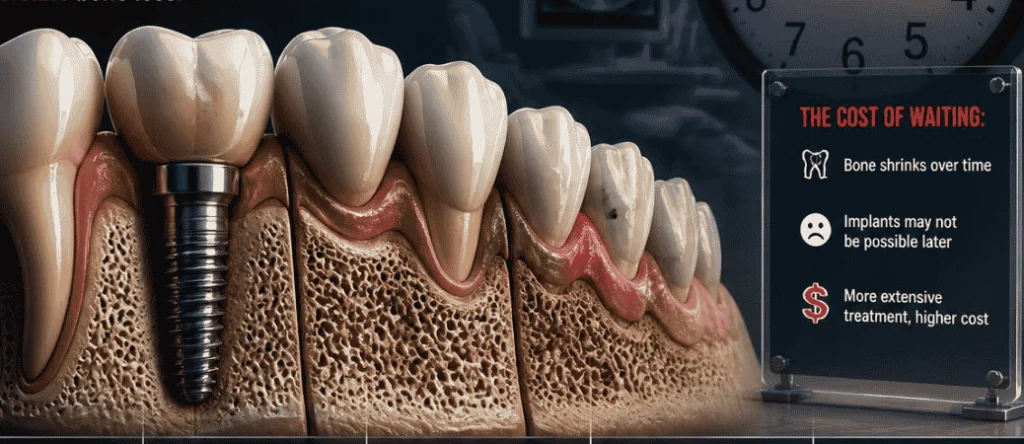
Osseointegration is the process where your jawbone fuses with the titanium implant post. When this process fails, your implant cannot develop a stable foundation.
Poor bone quality is one of the main reasons osseointegration doesn’t happen correctly. If your jawbone is too soft or lacks density, it may not provide enough support for the implant to integrate properly.
Bone resorption can also occur when you’ve been missing teeth for a long time, leaving insufficient bone structure.
Some patients need procedures like ridge augmentation or a sinus lift to build up bone volume before implant placement. Without adequate bone preparation, your implant faces a higher risk of early failure.
Certain systemic risk factors can interfere with bone healing. Uncontrolled diabetes, smoking, and some medications can slow down or prevent proper osseointegration.
Your body’s ability to heal bone tissue directly affects whether your implant will succeed long-term.
Peri-Implantitis and Infection
Research shows that peri-implantitis is an inflammatory response with progressive bone loss around your implant caused by bacterial infection. This condition represents the most common and preventable cause of implant failure.
The infection typically starts as peri-implant mucositis, which affects only the soft tissue around your implant. If left untreated, it progresses to peri-implantitis and begins destroying the bone that supports your implant.
Implant infection can develop at any point during or after your treatment.
Poor oral hygiene allows bacteria to accumulate around the implant site, creating inflammation. Infection at the implant site can cause the implant to feel loose and lead to discomfort when chewing.
You can reduce your risk by maintaining excellent oral hygiene and attending regular dental checkups. Your dentist can detect early signs of infection before they cause serious damage to the bone around your implant.
Mechanical Overload and Bruxism
Mechanical overload occurs when excessive force is applied to your implant before it has fully integrated into your bone. This pressure can damage the healing process and prevent proper osseointegration.
Bruxism, or teeth grinding, puts constant stress on your implant restorations. If you grind your teeth at night, you may not even realize you’re placing hundreds of pounds of force on your implants. This repeated pressure can cause the implant to loosen or fail over time.
A nightguard can protect your implants if you have bruxism. Your dentist may also adjust the bite on your implant restoration to distribute forces more evenly across your teeth.
Screw loosening is another mechanical complication that occurs when the components connecting your implant to the crown become unstable.
Regular dental visits allow your dentist to check and tighten these connections before they lead to bigger problems.
Surgical and Prosthetic Complications
Implant malposition occurs when your dentist places the implant at the wrong angle, depth, or location. Poor placement can prevent proper bone integration and make it difficult to correctly attach the final restoration.
Surgical errors might include overheating the bone during drilling, which can kill bone cells and prevent osseointegration. Inadequate sterilization during surgery can also introduce bacteria that cause infection.
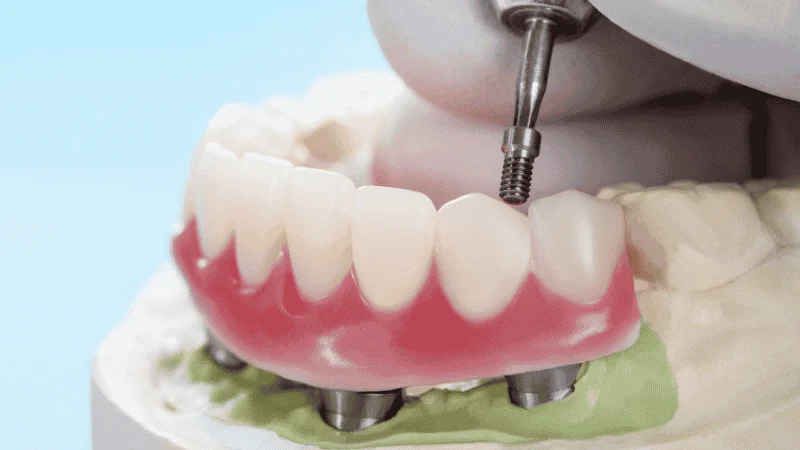
Prosthetic complications involve problems with the crown, bridge, or denture attached to your implant. If the restoration doesn’t fit properly, it can create uneven pressure that damages the implant over time.
Poor-quality materials or incorrect fabrication of the restoration can also lead to implant complications.
Your dentist’s experience and precision during both surgery and restoration placement directly impact the long-term success of your implant.
Warning Signs and Symptoms of Implant Failure
Recognizing signs of dental implant failure early can make the difference between saving your implant and losing it completely.
Pain that doesn’t go away, movement when you touch the implant, swollen gums, and trouble chewing all point to problems that need quick attention.

Persistent Pain and Discomfort
Some discomfort during the first week after getting your implant is normal. But persistent pain that continues past two weeks or gets worse over time is a red flag.
You might feel throbbing, aching, or sharp sensations around the implant site. This pain could mean infection has set in or that your bone isn’t fusing properly with the implant.
The discomfort might spread to your jaw, face, or even cause headaches.
Pain when you press on the implant or crown signals trouble. You shouldn’t feel ongoing tenderness around a healthy, integrated implant. If you need pain medication beyond the initial healing period, something is wrong.
Contact your dentist right away if pain returns after it had gotten better. This often means an infection is developing or the implant is failing.
Implant Mobility and Looseness
A loose dental implant is one of the clearest signs something has gone wrong. Your implant should feel completely solid and stable, just like a natural tooth root.
Signs of implant movement include:
- The crown wiggles when you touch it with your tongue or finger
- You feel shifting when you bite down
- The implant rocks back and forth even slightly
Any implant mobility means the bone integration has failed. Even tiny amounts of looseness indicate your implant hasn’t fused to your jawbone properly. This can happen early in healing or years after placement.
Don’t wait if you notice movement. The longer a loose implant stays in place, the more bone damage occurs.
Your dentist needs to evaluate implant stability immediately to determine if the implant can be saved or needs removal.
Gum Inflammation and Recession
Healthy gums around your implant should look pink and firm. Gum recession that exposes the metal threads of your implant means tissues are breaking down.
Red, swollen, or bleeding gums point to infection. You might notice puffiness around the implant that doesn’t go away. A peri-implant infection starts in the soft tissue and can spread to the bone if left untreated.
Watch for pus or fluid oozing from your gums near the implant. A bad taste or smell coming from the area also signals infection. Your gums might feel tender or painful when you brush.
Gum tissue pulling away from the implant creates pockets where bacteria collect. This leads to a serious condition called peri-implantitis that destroys the bone supporting your implant.
Difficulty Chewing and Bite Changes
Difficulty chewing on the side with your implant suggests problems with stability or positioning. You should be able to eat normally without discomfort or awkwardness.
Changes in bite alignment happen when an implant shifts or settles incorrectly. Your teeth might not come together the same way they did before. You may feel like something is “off” when you close your mouth.
Pressure or pain when biting down means the implant isn’t handling forces properly. This could indicate the bone isn’t supporting the implant well enough. You might avoid chewing on that side without realizing it.
If your crown feels higher or lower than it should, the implant may be moving. Any change in how your teeth fit together needs evaluation.
Experiencing symptoms like pain, swelling, or mobility issues? Dental implant issues rarely resolve on their own. Contact us now to speak with a member of our team and schedule your urgent evaluation.
What to Do If Your Dental Implant Is Failing
Acting quickly when you notice problems with your dental implant can make a big difference in saving it or planning your next steps.
Your dentist will need to examine the implant and may remove it, but you often have good options for replacing it.
Diagnosing Dental Implant Failure
Your dentist will start by examining your mouth and asking about your symptoms. They’ll check if your implant feels loose or if your gums show signs of infection.
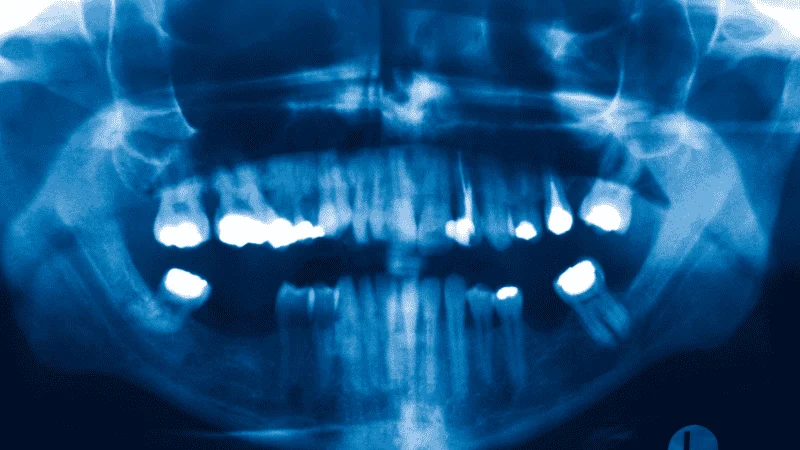
X-rays help show what’s happening beneath your gums. These images reveal bone loss around the implant and whether the implant has properly fused to your jawbone.
Your dentist might also use a special tool to measure the depth of pockets around your implant.
In some cases, you might need a CT scan for a more detailed view. This helps your dentist see the full extent of bone damage and plan treatment. Blood tests can check for infections or health conditions that might affect healing.
The sooner you diagnose dental implant failure, the more treatment options you’ll have available.
Immediate Steps After Noticing Symptoms
Contact your dentist right away when you notice pain, swelling, or movement in your implant. Don’t wait to see if symptoms go away on their own.
Keep the area clean by brushing gently around the implant. Rinse with warm salt water several times a day to reduce bacteria. Avoid chewing on the side with the failed implant.
Take over-the-counter pain medication if needed, but avoid aspirin right before your dental appointment since it can increase bleeding. Stay away from hard or sticky foods that might put pressure on the implant.
Don’t try to tighten a loose implant yourself or remove it at home. Professional treatment options are necessary to handle a failed dental implant safely.
Professional Treatment Options
Your dentist might try to save your implant if you caught the problem early. They’ll clean the area thoroughly and treat any infection with antibiotics. Sometimes this is enough to stop the failure.
If implant removal is necessary, your dentist will take it out carefully to preserve as much bone as possible. This procedure usually happens under local anesthesia and causes minimal discomfort.
After removal, you’ll likely need bone grafting to rebuild lost bone. Guided bone regeneration (GBR) uses special membranes to help new bone grow in the right place.
These bone regeneration procedures typically take several months to complete.
Once your bone has healed, re-implantation becomes possible. Your dentist will place a new implant, and the implant success rate for second attempts is still quite high when the underlying problems have been fixed.
The new implant restoration should function just like your natural teeth.
Some dentists offer same-day implant removal and replacement if you have enough healthy bone remaining.
Prevention and Long-Term Implant Care
Protecting your dental implant requires daily attention to oral hygiene and managing health conditions that affect healing. Success depends on consistent home care routines and addressing factors like diabetes or smoking that increase failure risk.
Tips for Preventing Implant Failure
Preventing dental implant failure starts before your surgery and continues for years afterward. Choose an experienced surgeon who uses proper placement techniques and sterile equipment.
Follow all pre-surgery instructions, including stopping smoking at least two weeks before your procedure.
During the healing phase, avoid chewing on the implant site for the first few weeks. Eat soft foods and don’t disturb the area with your tongue. Take all prescribed medications exactly as directed.
Attend every follow-up appointment so your dentist can check the healing progress. These visits help catch problems early when they’re easier to fix. Report any unusual symptoms like pain, swelling, or movement right away.
Importance of Oral Hygiene and Maintenance

Poor oral hygiene is one of the main causes of late implant failure. Bacteria can build up around your implant, causing an infection called peri-implantitis, which affects nearly 20% of implant patients within 10 years.
Daily cleaning requirements include:
- Brushing twice daily with a soft-bristle toothbrush
- Using interdental brushes to clean around the implant
- Flossing or using a water flosser to remove debris
- Rinse with antimicrobial mouthwash if recommended
Schedule professional cleanings every three to six months. Your hygienist will use special tools that won’t scratch the implant surface. They’ll also measure the pocket depths around your implant to check for bone loss.
Managing Systemic Risk Factors
Your overall health directly impacts implant survival. Uncontrolled diabetes slows healing and increases infection risk. Keep your blood sugar levels within your target range before and after surgery.
Smoking restricts blood flow to your gums, which prevents proper healing. Smokers have much higher failure rates than non-smokers. Quitting improves your chances of long-term implant success.
Other conditions to manage include osteoporosis and autoimmune disorders. Tell your dentist about all medications you take, especially drugs that affect bone density or immune function.
Some medications may need adjustment before implant placement.
Maintain healthy vitamin D and calcium levels through diet or supplements. These nutrients support bone health and help your jaw fuse properly with the implant.
Need a second opinion or a fresh perspective? Our experienced team is here to listen and provide honest, personalized recommendations. Call our office today to book a consultation and explore your options.
Frequently Asked Questions
Implant infections show specific warning signs like swelling and discharge, while early detection through symptoms and imaging helps guide treatment.
Home care plays a limited role, and professional intervention determines whether an implant can be saved or needs replacement.
What are common signs that may indicate a dental implant infection?
You might notice swelling or redness in your gums around the implant site. Bleeding when you brush near the implant is another warning sign.
A bad taste in your mouth or pus coming from the area around your implant suggests infection. You may also experience pain or tenderness that doesn’t go away.
Some people notice their implant feels loose or moves slightly when touched.
What steps can be taken to treat a dental implant infection at home?
Home treatment options are very limited for implant infections. You can rinse with warm salt water to help keep the area clean. Brushing gently around the implant and using interdental brushes may reduce bacteria buildup.
These steps should not replace professional dental care. Dental implant infections require professional evaluation because home remedies cannot address the underlying bone loss or deep infection.
Delaying treatment increases your risk of implant failure.
What recourse do patients have if their dental implant fails?
Your dentist can evaluate why the implant failed and discuss replacement options with you. Many dental practices offer warranties or guarantees that may cover part of the replacement cost.
You should review your original treatment agreement to understand what coverage applies.
If the failure resulted from improper placement or technique, you may have grounds to seek compensation. Consulting with another implant specialist can provide a second opinion.
Treatment options after failure include bone grafting followed by a new implant or alternative restoration methods.
How can early symptoms of implant failure be identified?
Early symptoms typically include persistent pain at the implant site that lasts beyond normal healing time. You might feel discomfort when biting down or applying pressure.
Swelling that continues for weeks after placement signals a problem.
Your gums may look redder than usual around the implant. Some patients notice increased sensitivity or a feeling that something isn’t right. Any mobility in the implant or crown means you need immediate evaluation.
Is it possible to detect a dental implant infection with an x-ray?
X-rays can show bone loss around your implant, which often indicates infection. Your dentist looks for dark areas where bone should be present. These images reveal how much bone has deteriorated over time.
However, x-rays don’t always catch infections in their earliest stages. Clinical examination combined with imaging provides the most accurate diagnosis. CBCT scans offer more detailed views than standard x-rays and can detect problems earlier.
If a dental implant fails, can it be replaced with a new one?
Yes, most failed implants can be replaced after the area heals properly. Your dentist will remove the failed implant and may need to perform bone grafting to rebuild lost bone.
This healing process typically takes several months before a new implant can be placed.
The success of replacement depends on why the first implant failed. Addressing risk factors like smoking or infection before replacing the implant improves your chances.
Your dentist may recommend a different implant size or position for better results.